
LAND & LIFE ADVICE
Do Chickens Need Extra Bedding in Cold Weather?
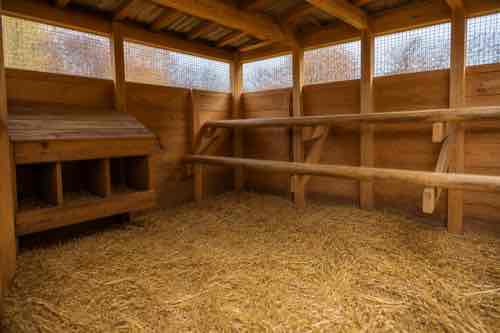
Chickens may need extra bedding in cold weather when the coop stays dry, but bedding does not replace ventilation, sound shelter, clean water, and routine observation of the flock.
Use extra bedding to manage dry comfort, not to hide moisture
Check the coop during the regular morning routine. Damp litter, condensation, a strong ammonia odor, roof leaks, or birds avoiding a draft need attention before more bedding is added. Remove wet or compacted material rather than piling dry bedding on top. Keep water spills out of the litter and maintain high ventilation above roost level so humid air can leave without a direct draft on birds.
Cold-weather bedding checklist
- Add clean, dry bedding only where it will stay dry and useful.
- Remove wet or compacted litter instead of covering it.
- Keep feed and water areas from soaking the main bedding.
- Clear vents of snow, leaves, and debris while maintaining airflow above the flock.
- Check roof edges, doors, and run drainage for the source of recurring moisture.
Watch the coop and flock, not just the temperature
There is no single amount of bedding that fits every coop. Construction, local weather, wind exposure, ventilation, and flock behavior all matter. Extra bedding can help chickens in cold weather when it stays dry, but a damp enclosed coop can create more trouble than cold air alone. Recheck after rain, a hard freeze, or any change in conditions.
For more seasonal flock guidance, browse Land Life Advice.
Bottom line: Add extra bedding when it improves dry comfort, while keeping ventilation and moisture control working every day.