
LAND & LIFE ADVICE
How Do You Add Privacy to an Outdoor Living Space Without Blocking Airflow?
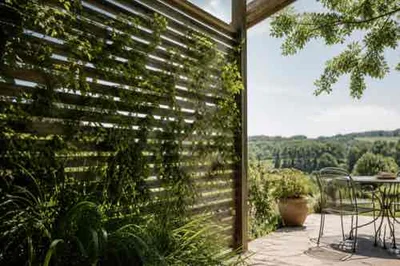
Add privacy without blocking airflow by using layered, partially open elements instead of one solid wall. Slatted screens, spaced plantings, lattice designed for the site, and carefully placed furniture can reduce direct sight lines while still letting breeze and daylight through.
Block the view, not the whole yard
Stand or sit where people will actually use the space and identify the specific sight line you want to soften. A screen only needs to interrupt that line; it does not need to enclose the entire patio. This keeps the area more open and avoids creating a wind-catching or heat-trapping barrier.
Use layers with gaps
- Choose slatted panels or open designs where wind exposure is a concern.
- Use plants in groups rather than one dense continuous hedge.
- Keep drainage paths clear at ground level.
- Anchor screens for local wind and avoid loading a pergola beyond its design.
- Preserve access for cleaning, pruning, and maintenance.
Check rules and neighbors
Fence and structure height, setback, and HOA requirements can affect screens and plantings. Consider how the design looks from both properties and whether it interferes with drainage, utilities, or emergency access.
Plan privacy without blocking airflow
Before installing a screen, mark the view from the seating area and test the height with temporary stakes or cardboard. Privacy without blocking airflow works best when the screen interrupts the specific view while leaving open space above, beside, or between its elements. Recheck the plan after a breezy day and after rain so it does not create a wind problem or interfere with drainage.
For more outdoor-living planning guidance, browse Land Life Advice.
Bottom line: targeted, breathable screening gives more privacy while preserving the open feel that makes an outdoor area comfortable.