
LAND & LIFE ADVICE
How Much Ventilation Does a Chicken Coop Need in Early Fall?
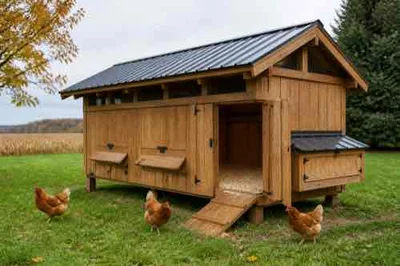
A chicken coop still needs consistent ventilation in early fall because humid air, droppings, and damp bedding continue to create moisture even when daytime temperatures cool. Adjustable openings can help manage wind and rain, but do not seal the coop tightly; stale, damp air causes more trouble than ordinary cool air.
Watch moisture, not just temperature
Check the coop early in the morning for condensation, damp litter, musty odor, or ammonia smell. These signs mean humid air is lingering. High vents should allow moisture to escape above roost level while weather protection keeps wind-driven rain out.
Make seasonal adjustments carefully
- Clear leaves, nesting material, and dust from vents.
- Check that vent covers or louvers still open and close properly.
- Block direct drafts across roosts rather than blocking all airflow.
- Keep bedding dry and water spills contained.
- Observe birds at night and during wet weather for crowding or discomfort.
Every coop responds differently to prevailing wind, roof design, and flock size. Use the birds and interior conditions as feedback, and correct leaks or dampness before cold weather arrives.
Bottom line: early fall ventilation keeps the coop dry and healthier while letting you reduce harsh drafts where they matter.