
LAND & LIFE ADVICE
How Do You Choose a Shed Location Before Spring Rains?
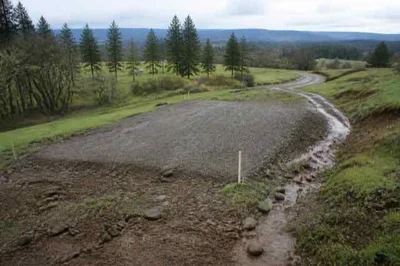
Choose a shed location before spring rains by following the water, measuring access, and checking local requirements—not by picking the first flat-looking spot. A shed can look level on a dry day while still sitting in a runoff path. The site needs a stable base, drainage around the structure, room for doors and maintenance, and a route for delivery or installation.
Watch the property in wet conditions
After rain, note where water puddles, flows, and leaves ruts. Avoid low points, drainage swales, and places that receive roof runoff from another building. Ground should be prepared so water moves away from the shed base on all practical sides.
Plan access before the shed arrives
- Measure gates, driveways, turns, slopes, and overhead clearance.
- Allow room to open doors fully and move the largest item you plan to store.
- Leave a service gap for gutters, siding, and future repairs.
- Locate underground utilities before digging or setting anchors.
- Check setbacks, easements, and permit requirements.
Match the base to the structure
The base should be level, compacted, and sized for the full shed footprint according to the manufacturer’s guidance and site conditions. Do not use the shed itself to correct a poorly drained or uneven site. If grading will alter drainage near a neighbor or existing building, get qualified local guidance first.
Test the shed location before committing
Mark the proposed shed location with stakes or marking paint and walk around it with the future door swing and work area in mind. Consider where rainwater will leave the roof once the shed is in place and whether the approach remains usable when the ground is soft. A few minutes of testing can prevent a location that is awkward to maintain for years.
For related base, drainage, and outdoor-structure guidance, browse Land Life Advice.
Bottom line: use spring rain as useful information: it reveals whether a shed site will stay dry, accessible, and maintainable.