
LAND & LIFE ADVICE
Does a Shed Need a Gravel Base?
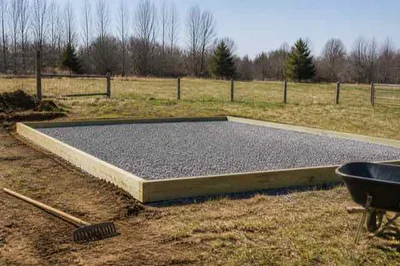
Many sheds benefit from a properly prepared gravel base because it provides a stable, level, well-drained surface—but the base must match the shed design, soil, slope, and manufacturer requirements. Gravel alone is not the answer; preparation, compaction, edging, and drainage determine whether the base protects the structure.
Why a gravel base is commonly used
A compacted aggregate base can help separate the shed from damp soil, support the floor system evenly, and let water drain away instead of collecting beneath the building. It is often more forgiving than setting a shed directly on bare ground, especially where rain creates soft spots.
What a good base needs
- A site that has been cleared and leveled appropriately.
- Compacted, suitable aggregate—not loose decorative stone.
- Edging or containment where needed to keep the base intact.
- A footprint large enough for the full structure and its support system.
- Surrounding grade that directs roof runoff and surface water away.
When to get more guidance
Heavy sheds, sloped sites, clay soil, frost-prone ground, and local code requirements may call for a different foundation or engineered approach. Follow the shed manufacturer’s installation requirements and check permits before starting. A base should not block drainage paths or create runoff problems for nearby structures.
Bottom line: a gravel base is useful when it is level, compacted, drained, and designed for the shed—not simply spread over uneven ground.