
LAND & LIFE ADVICE
What Should You Do With a Gravel Shed Base Before Winter?
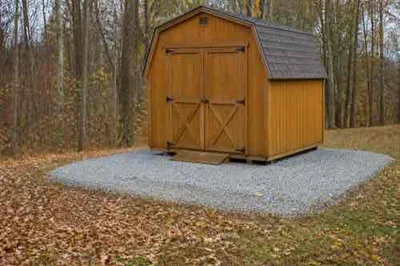
A gravel shed base should be checked for low spots, drainage paths, and weed growth before winter. The goal is to keep water moving away from the shed and prevent freezing conditions from turning a small soft spot into a larger settlement problem.
Start with a quick site check
Walk the perimeter after a rain. If water stands against the edge, restore the slope so runoff moves away from the structure. Rake displaced gravel back into thin areas, remove leaves and organic debris, and trim vegetation that traps moisture. Check that the shed remains supported evenly; a door that suddenly sticks or a gap that changes at one corner is a reason to investigate rather than simply forcing it.
Practical steps to take now
- Do not add gravel over saturated ground as a quick fix. Identify why the area is wet first—often a gutter outlet, uphill runoff, or a blocked swale is the real cause. A firm, well-drained base makes winter access easier and protects the shed through repeated freeze-thaw cycles.
Avoid the common shortcut
Work from the cause of the problem, not only its visible symptom. Seasonal maintenance is most effective when water flow, access, and safe use are considered together. Make one change at a time and recheck after ordinary rain or use so you can tell what solved the issue.
Bottom line: gravel shed base should be checked for low spots, drainage paths, and weed growth before winter. The goal is to keep water moving away from the shed and prevent freezing conditions from turning a small soft spot into a larger settlement problem.