
LAND & LIFE ADVICE
How Much Ventilation Does a Chicken Coop Need in Warm Weather?
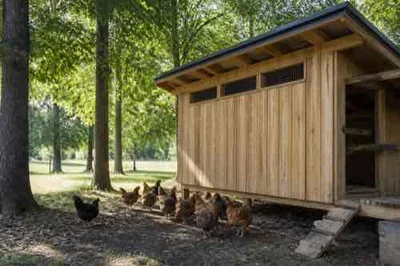
A chicken coop needs enough warm-weather ventilation to remove heat and moisture without creating a direct draft across roosting birds. There is no universal opening size because coop design, flock size, humidity, shade, and local weather vary. The useful test is whether stale air and heat can escape while the coop remains dry and protected from driving rain.
Put openings where they can work
High vents allow rising warm, humid air to leave. Lower openings or protected windows can bring in replacement air when the design allows. Keep roosts out of the direct path of strong airflow, especially at night, and protect openings with appropriate predator-resistant materials.
Watch for warning signs
- Condensation, damp litter, or ammonia odor suggest moisture is not leaving.
- Birds panting, holding wings away from their bodies, or crowding one area may be heat stressed.
- Stale air and wet corners may indicate blocked or undersized openings.
- Rain blowing inside means the vent design needs better weather protection.
Support ventilation with daily care
Provide shade, clean cool water, dry bedding, and a run where birds can move out of heat. Keep debris from blocking vents and do not seal the coop tightly in an effort to keep it “comfortable.” During dangerous heat, observe the flock more often and seek veterinary advice if birds show distress.
Bottom line: good ventilation is continuous fresh-air exchange that keeps the coop drier and cooler without exposing birds to a harsh direct draft.