
LAND & LIFE ADVICE
How Do You Check Drainage Before Building an Outdoor Structure?
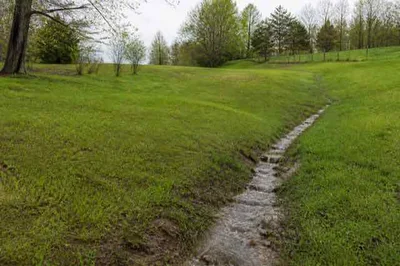
Check drainage before building an outdoor structure by observing where water comes from, where it travels, and where it leaves after a meaningful rain. Do not inspect only the proposed footprint: slopes, nearby roofs, compacted paths, and uphill ground can all send water toward a shed, coop, kennel, pergola, or seating area.
Walk the site after rain
Look for standing water, dark saturated soil, ruts, washed-out mulch, and water moving across paths. Mark low spots and note whether downspouts, driveways, or neighboring grade direct runoff toward the planned structure. Take photos if needed; they are more useful than trying to remember a dry-day impression.
Use a simple drainage checklist
- Will the finished grade direct water away from the structure?
- Where will roof runoff land after the structure is built?
- Can people reach the area without walking through mud?
- Will a new base or patio redirect water toward another building?
- Are there drainage easements, utilities, or local rules to consider?
Address the site before construction
Move the location, adjust grade, add an appropriate base, or manage downspouts before construction where practical. Avoid quick fixes that merely hide water under mulch or loose stone. For recurring drainage, significant grading, retaining, or changes that affect adjacent property, consult a qualified local site or drainage professional.
Checking drainage before building also helps you plan a usable approach for tools, deliveries, and routine maintenance. Revisit the area in more than one storm if conditions are unclear.
For related site-planning answers, browse Land Life Advice.
Bottom line: let actual rainwater behavior guide the build; dry-weather appearance alone is not enough.