LAND & LIFE ADVICE
How Do You Choose the Right Shed Size for Your Property?
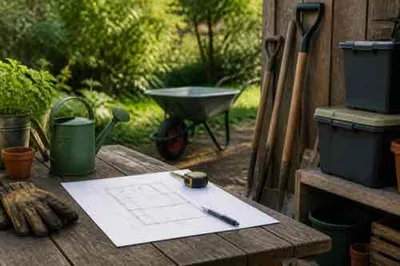
Choose shed size by listing what you need to store, allowing working aisle space, and planning for the next few seasons—not by filling the biggest spot in the yard. A shed that holds tools but leaves no room to reach them is frustrating, while an oversized shed can create access, drainage, cost, and permitting issues.
Inventory by use, not just by item count
Group equipment by how often you use it: daily tools, seasonal lawn or garden equipment, long-term storage, and supplies that need dry or secure storage. Measure bulky items with handles, doors, and clearance included. Decide whether you need a potting surface, wall storage, shelves, or room to roll equipment in and out.
Plan the inside before finalizing the footprint
- Draw a simple floor plan with doors, shelves, and a central path.
- Put frequently used items near the entrance.
- Leave turning room for mowers, wheelbarrows, or garden carts.
- Keep fuel, chemicals, and tools stored safely and separately as appropriate.
- Consider whether future needs are likely to grow.
Confirm the exterior fit
Check setbacks, delivery access, roof runoff, base size, and maintenance clearance. A larger shed may trigger different local rules. The right size is one that works inside and fits the property without blocking drainage, paths, or future use.
Bottom line: measure the equipment, design the workflow, then choose the smallest shed that stays organized and usable.