
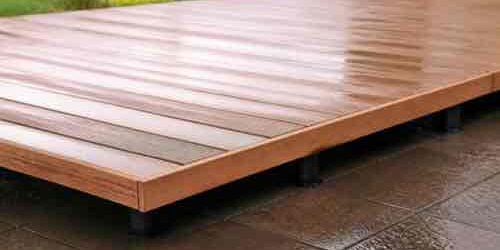
Keep outdoor wood projects from holding water by using sloped or draining surfaces, leaving airflow gaps, keeping wood off wet ground, and maintaining an appropriate finish. Water that sits in horizontal seams, end grain, joints, or the underside of a piece causes more wear than brief rain that can drain and dry.
Design for runoff and airflow
Use slight slopes where water could collect, avoid flat pockets at joints, and leave small drainage gaps between boards where the design permits. Raise legs, feet, or bases above wet ground and avoid placing wood beneath roof drip lines or sprinklers.
Inspect the vulnerable places
- Check top surfaces, joints, end grain, and the underside after rain.
- Clear leaves and debris that trap moisture.
- Repair loose fasteners and cracked areas before water reaches deeper material.
- Use finishes or sealers compatible with the wood and intended exposure.
- Allow the piece to dry fully before recoating or covering it.
Match care to the project
Decorative items, furniture, planters, and structural elements have different demands. Follow product instructions and avoid using a coating to hide active rot or structural damage. Replace unsafe parts rather than relying on cosmetic repair.
Bottom line: outdoor wood lasts longer when rain has a way to leave and the piece has a way to dry.