
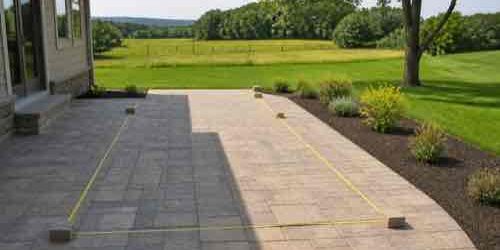
Before building a backyard pergola, check the site, dimensions, utilities, drainage, footing or anchoring requirements, local rules, materials, and intended use. A pergola is a structural addition, so the best time to resolve wind exposure, post placement, and clearance is before holes are dug or materials are ordered.
Define the job it needs to do
Decide whether the pergola is for dining, lounging, a walkway, filtered shade, or an outdoor room. Lay out furniture and circulation first. This determines the footprint, post locations, and whether the structure will need to work with an existing patio, deck, or door.
Use a pre-build checklist
- Confirm zoning, permits, HOA rules, setbacks, and height limits.
- Locate underground utilities before excavation.
- Check grade and roof runoff around every post location.
- Plan footings or anchors according to site and manufacturer guidance.
- Consider wind, snow, and any proposed shade fabric or hanging load.
Build for maintenance
Leave room to inspect posts, hardware, and adjacent surfaces. Use materials and fasteners appropriate to outdoor exposure. Do not assume an open-frame pergola can safely carry a roof, swing, heavy plants, or screens unless it was designed for that load.
Bottom line: a sound pergola begins with a code-aware, well-drained site and a design matched to how you will actually use it.