
LAND & LIFE ADVICE
What Should You Do Before Letting Chickens Use a New Run?
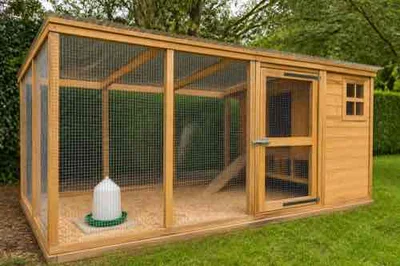
Before letting chickens use a new run, test every barrier, remove hazards, provide shade and water, and make sure birds can return to secure shelter. The first day is the best time to find a weak latch, sharp edge, mud pocket, or escape route—before a predator or frightened bird finds it first.
Inspect from the chicken’s and predator’s view
Walk the full perimeter and check wire, fasteners, corners, roof coverage, gate gaps, and ground edges. Look for loose hardware, sharp ends, toxic plants, standing water, and materials birds could swallow. Test the gate and latch repeatedly; it should close securely every time.
Set up the essentials
- Place clean water in shade where it will not be fouled easily.
- Provide a dry covered spot and a route back to the coop.
- Use stable, safe footing around doors, feeders, and waterers.
- Make sure the run has enough space and visual cover for the flock.
- Secure feed to avoid drawing rodents and wildlife.
Introduce birds calmly
Start when you can observe them. Some birds need time to learn where the coop entrance is, especially after a new build or move. Continue using a consistent evening lock-up routine and inspect the run after the first rain and first overnight use.
Bottom line: a new run is ready only after its security, drainage, shelter, and daily-use details have been tested—not when construction merely looks finished.