
LAND & LIFE ADVICE
Where Should You Put a Chicken Coop on Your Property?
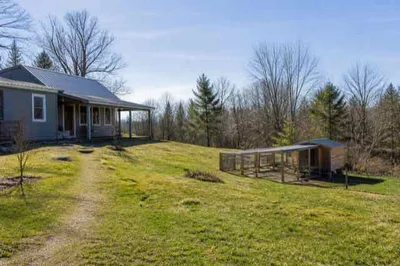
Choose a chicken coop location on high, well-drained ground that is easy to reach every day. The best chicken coop location balances drainage, sun and shade, wind exposure, predator awareness, cleaning access, and local setbacks. A site that is convenient to manage is usually more useful than a distant corner that becomes muddy or hard to reach.
Prioritize drainage at the chicken coop location
Visit the proposed area after a hard rain. Avoid low spots, swales, and the path of roof runoff. Standing water can make bedding damp, attract insects, damage footing, and turn routine chores into a mess. The finished grade should move water away from the coop and run, not toward either one.
If the only practical site stays wet, address drainage and the base before bringing birds home. Adding a coop to a persistently wet area rarely solves the underlying problem.
Give birds sun, shade, and shelter
- Morning sun helps dry dew and damp ground.
- Afternoon shade matters during hot weather, especially around the run.
- Use solid walls, landscaping, or the building itself to reduce direct winter wind without sealing off ventilation.
- Keep the coop where you can notice predator activity and check birds easily.
Plan for people as well as chickens
Measure the route for feed, bedding, eggs, tools, and any delivery. Leave room for a wheelbarrow, a clean-out door, and a secure place to store feed. Check property-line setbacks, easements, and local rules before building; requirements differ by jurisdiction and neighborhood.
For more chicken-coop planning guidance, browse Land Life Advice.
Bottom line: The right chicken coop location is dry, accessible, and balanced for light, shade, drainage, and daily care.