
LAND & LIFE ADVICE
How to build a harvest basket from simple wood materials
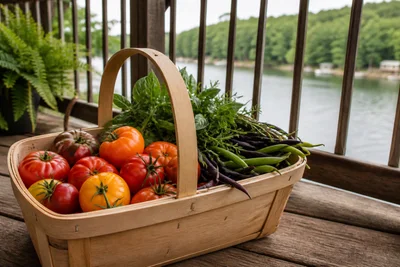
A wooden harvest basket does not need to be complicated to be useful. The right size makes it easy to carry tomatoes, herbs, peppers, eggs, or a handful of garden tools without dragging out a larger tote. A few simple boards, a comfortable handle, and openings that allow dirt or moisture to fall away are enough for a project that works from the garden to the kitchen. Build it around the way you harvest, not around a picture of a basket that may never leave the shelf.
Choose a size that stays comfortable when full
Start with the longest item you expect to carry and the amount of produce you can comfortably lift in one hand. A shallow basket is usually more useful than a deep box because ripe vegetables are less likely to be crushed under their own weight. Measure the spot where it will be stored, too. A basket that fits under a potting bench or beside the kitchen door is more likely to be used and returned after each trip outside.
Keep the construction open and repairable
Use untreated wood in clean, straight pieces, and make the bottom strong enough to support a full load. Slats or small gaps make cleanup easier after a muddy harvest and allow airflow around damp produce. A centered handle helps balance the basket, while rounded edges keep it comfortable when hands are wet. Predrill fastener holes near board ends and sand every surface before applying a finish suited to the basket’s intended use.
- Keep the bottom wide enough that the basket will not tip when set down.
- Use slats or drainage holes so garden dirt does not collect in the base.
- Test the handle with a realistic load before calling the project finished.
- Clean and dry the basket after use rather than storing it with damp leaves or soil inside.
Build a tool that supports the harvest routine
A basket works best when it makes the next garden task easier. Keep clean scissors, a small cloth, or a produce container nearby if those are part of your usual routine, but avoid turning the basket into a permanent storage bin. The practical build ideas in a DIY wooden tote for garden tools and produce follow the same principle: simple carrying tools are valuable when they match the way work actually happens.
If a handmade item helps turn gardening into an everyday habit, it can be worth choosing durable materials and a design that will last. The practical woodcrafts in the LOZ Woodworking shop are made with that same attention to useful details, from pieces that serve food to items that organize the spaces where work gets done.
Use trusted guidance for wood and food care
Wood moves with moisture, and outdoor use can be hard on any project that stays in a damp garden shed or on an uncovered porch. The USDA Forest Products Laboratory offers research-based information about wood species, finishes, and durability when you need help choosing materials for a project that will see changing conditions.
When the basket carries food, wash produce as appropriate before bringing it into the kitchen and keep the basket itself clean. The University of Missouri Extension is a useful source for garden, harvest, and food-handling guidance that can help with decisions beyond the basic build.
Give the wood a practical finish
Choose the finish according to where the basket will live. A basket that stays indoors between harvests may need little more than a smooth, clean surface, while one that spends time on a covered porch may benefit from protection suited to changing humidity. Avoid finishes that create a hard-to-clean surface where food will sit. Whichever approach you choose, let the piece cure fully before loading it with produce, and renew the finish only when ordinary use shows that it is needed.
Let the first season improve the design
Use the basket through a real harvest season before deciding whether it needs another handle style, a different depth, or a second size. You may find that a smaller carrier is best for herbs and berries while a wider one is better for tomatoes and peppers. Those details are difficult to see from a workbench, but they become obvious once the basket has been carried through the garden a few times. A simple project that earns that kind of use is already doing its job well.