
LAND & LIFE ADVICE
How to make a simple wood drying rack for herbs
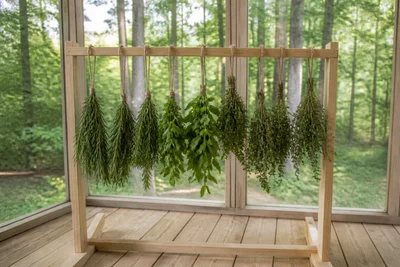
A wood drying rack gives fresh herbs a dedicated place to dry without taking over the kitchen. It can be as simple as a narrow frame with dowels, slats, or hooks, provided that air can move freely around each bundle. The rack is not meant to rush the process. It is meant to keep herbs off a counter, away from direct sunlight, and easy to check while they lose moisture naturally. A small, well-placed rack can turn an abundant garden harvest into a useful pantry habit.
Choose a dry location before choosing the design
Herbs need airflow and protection from moisture, so look for a sheltered indoor spot that stays relatively dry and out of direct sun. A pantry edge, utility room, or covered porch can work if conditions are stable. Avoid placing bundles above a stove, beside a steamy sink, or where the rack will collect dust. The location should also be somewhere you will notice the herbs regularly, because checking their progress prevents mold and helps you take them down when they are ready.
Build for circulation, not decoration
Use clean, untreated wood and keep the structure open. A simple rectangle with crossbars, a ladder-style frame, or a short rail with evenly spaced hooks can all work. Sand every edge, especially where string or stems will rest, and make sure the rack can hold several small bundles without crowding them together. Small bundles dry more evenly than large ones, and a rack with room between them allows you to harvest different herbs at different times.
- Harvest clean, healthy stems after morning dew has dried.
- Gather small bundles and secure them loosely with string or bands.
- Keep leaves out of direct sun to protect color and flavor.
- Store herbs only after they are fully dry and crumble easily.
Make the rack part of the harvest routine
A drying rack is most useful when it is ready before the herbs are cut. Keep scissors, string, and labels nearby, then hang each variety separately so strong aromas do not blend together. The harvest advice in what to do with an early summer herb harvest uses the same practical sequence: handle herbs gently, work in small batches, and choose a storage method that fits how you cook.
Simple handmade tools can make garden routines easier to repeat, whether they live near the kitchen door or in a small workspace. The practical woodcrafts in the LOZ Woodworking shop are built around the same idea of making ordinary tasks feel more organized and useful without adding unnecessary complexity.
Use dependable guidance for preserving herbs
Drying methods, storage containers, and herb condition all affect the result. The University of Missouri Extension provides reliable information on food preservation and home gardening when you need help deciding whether a batch is dry enough to store or how to keep it at its best.
For broader food and garden research, the USDA National Agricultural Library offers useful material about herbs, crops, and safe storage practices. Check trusted sources for the details, then let the herbs themselves guide the timing: they should feel dry, smell clean, and show no sign of trapped moisture.
Store each batch where you can use it
Once the herbs are dry, remove leaves from tougher stems and place them in clean, airtight containers away from heat and bright light. Label the variety and the season, especially when several herbs look similar after drying. Keep only an amount that will be used in a reasonable time, because a small, fresh supply is more useful than a cabinet full of forgotten jars. The rack has done its job when it helps make that transition from garden harvest to everyday cooking feel straightforward.
Keep the project useful after the season ends
When herb season slows down, the rack can hold seed bundles, garlic, lightweight kitchen tools, or other items that benefit from airflow. A modest design is easier to repurpose than a large specialty piece. Build it with clean materials, use it through one harvest, and adjust only if everyday use shows a real need. The best version is the one that helps you enjoy the garden’s abundance without turning preservation into another chore.