
LAND & LIFE ADVICE
A simple wood planter box that fits a deck or dock
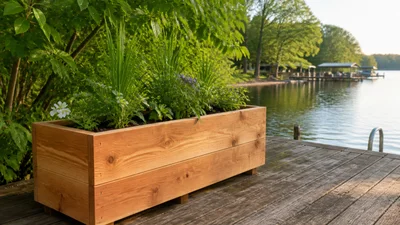
A wood planter box can make a deck or dock feel more finished without turning the space into a crowded garden center. The best version is sized for the traffic around it, built to handle outdoor moisture, and planted with things you will enjoy looking at or using. On a Lake of the Ozarks deck or dock, that usually means a stable box with good drainage, a simple shape, and enough weight to stay put when weather changes. The same build-it-for-use mindset carries into Making a cedar garden trellis for peas and climbing flowers, where a simple design and durable materials keep the project useful.
Start with the space, not the lumber. Measure the available length and make sure the planter will not block stairs, seating, doors, cleats, or the route people use to carry gear. A narrow rectangular box along a railing may be more useful than a large square planter in the middle of a walkway. If it will sit on a dock, keep it light enough to move when empty and secure enough that wind will not shift it.
Use a design that fits outdoor conditions
Choose plants for the actual location
Build for water and foot traffic
Cedar is a natural choice for planter boxes because it holds up well outdoors and is lighter than many alternatives. Use untreated lumber for edible planting spaces, exterior-rated screws, and a base designed to drain. Raise the box slightly on feet or runners so water can move under it. On a deck, this also helps protect the surface from long-term trapped moisture.
Do not skip drainage. Drill several holes in the bottom and allow a small gap between base boards if the construction allows it. A planter that stays wet after rain will struggle no matter how good the soil and plants are. Fill it with quality potting mix, not compacted yard soil, so roots can access both water and air.
Keep planting simple and useful
For a sunny deck, herbs, leafy greens, compact peppers, or flowers can all work well depending on the depth of the box. A dock planter may do best with tough herbs, trailing flowers, or plants that handle wind better than delicate vegetables. Group plants with similar water and sun needs. Mixing a thirsty shade plant with a drought-tolerant herb usually means one of them will be unhappy.
Design around the location. Wind, walkways, and water access matter as much as the box dimensions. Drainage is a non-negotiable. For construction details that apply to any outdoor planter, read Building a simple raised planter from rot-resistant lumber.
- Measure walkways and door clearance before choosing dimensions.
- Use cedar, exterior screws, and a raised base for outdoor durability.
- Drill several drainage holes and use light potting mix.
- Choose plants based on the actual sun and wind at the location.
- Keep the box narrow enough to water and harvest without reaching too far.
Plan for water and wind
Deck and dock planters can dry quickly because wind moves across them all day. Check the soil rather than relying on a fixed schedule. Water slowly until it drains from the bottom, then let the surface begin to dry before watering again. A thin mulch layer helps keep moisture in the soil, and a larger box gives roots more buffer than a small decorative pot.
Wind can be just as important as sun. Position a planter where a railing, wall, or structure offers some protection without blocking all the light. Avoid tall, top-heavy plantings in a narrow free-standing box. If you want height, add a small, well-secured trellis or use a wider base.
For useful guidance on container growing and matching plants to conditions, University of Missouri Extension is worth consulting before making a final decision.
Build for the way you use the outdoors
The most successful planter is the one that fits the rhythm of the space. A box beside outdoor seating might hold herbs for grilling. One near a door can grow parsley, chives, or a few salad greens. A dock planter may be mostly decorative, giving a simple handmade detail to a lake day without creating a high-maintenance task.
If you want a planter built around a specific growing method or location, our custom Kratky method planter boxes are made for practical small-space growing. For help matching plants to light, soil, and container size, the University of Missouri Extension is a strong regional resource.
A simple wood planter does not need complicated joinery to be worthwhile. Build it solid, let it drain, plant it with purpose, and place it where it adds to the way you already use your deck or dock.
Before the growing season begins, check the planter after its first heavy rain. If water pools, adjust the base or clear the drainage holes before roots fill the box. That five-minute check can prevent the avoidable problems that make an otherwise solid planter difficult to keep healthy.