
Cedarwood: America’s Original Bug Bouncer and Why We Still Rely on It Today
If you’ve ever been out in the woods long enough — the real woods, the kind where the bugs consider you the special of the day — you start appreciating the little things. Like a good campfire. A solid pair of boots. And cedar. Oh man… cedar.
We use cedarwood oil and cedar chips in our NO-Ski-TO sprays, balms, and camping soaps for a reason: people here on the continent have trusted cedar to keep pests away since long before anyone knew what DEET was. Cedar has been a protective, good-smelling, all-around useful plant ally for thousands of years, and I love sharing this history because it ties right into our whole lifestyle — natural solutions, outdoor living, and a little bit of “Bigfoot probably approves.”
Let me walk you through why cedar became one of the unofficial mascots of American outdoor life.
Cedar in Indigenous North American Traditions
Long before settlers showed up, many Native American nations were already using cedar for purification and protection. They burned cedar to cleanse living spaces, tucked it into bedding, wove it into baskets, and used cedar infusions in salves and washes. Cedar was considered a “protector plant,” and you’ll see this documented all over the Smithsonian’s National Museum of the American Indian, where cedar appears repeatedly in stories and daily practices.
If you poke around the Native American Ethnobotany Database, you’ll find dozens of traditional preparations using cedar leaves, bark, and oil. This wasn’t guesswork — these were tried-and-true techniques that worked. And honestly, anyone who has ever hung out in the woods and tossed cedar on the fire knows exactly why.
Then the Colonists Showed Up and Said, “Yep… That Works.”
When European settlers arrived, everything in the New World wanted to bite, sting, or chew on something — usually the settlers. So they took one look at how Indigenous communities used cedar and went, “We’re gonna need a lot of that.”
Cedar quickly became the wood of choice for building, storing, and preserving. If you look into the historical records at Colonial Williamsburg, you can see how popular cedar chests became. They weren’t built because cedar looked pretty (though it does) — they were built because moths hated them. And if you’re living with limited supplies, you take pest control seriously.
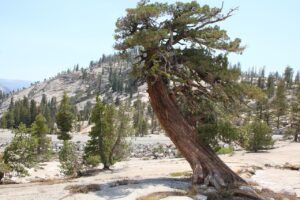
Image by sadie_stone from Pixabay
Pioneer families — especially in humid, bug-heavy regions — scattered cedar chips right on the cabin floor. It kept away fleas, ticks, and all sorts of creepy crawlers. Journals preserved by the Library of Congress describe cabins smelling like a mix of campfire, cedarwood, and hard work. Sounds like home to me.
Cedar Oil: The Original Frontier “Multipurpose Spray”
Eventually settlers figured out how to steam-distill cedarwood oil at home. Cedar oil became a kind of frontier cure-all. Families used it to freshen bedding, clean tools, wash skin, preserve hides, and — of course — keep bugs from turning them into a buffet.
Records from the National Park Service show cedar being used in everything from furniture-building to medicine-making. Cedar wasn’t fancy; it was useful. And that’s the spirit we love around here.
Science Steps In and Says, “Surprise… The Old Ways Work.”
Today we know exactly why cedar does what it does. The USDA Forest Products Laboratory has extensive research explaining how compounds like cedrol and thujopsene naturally repel insects and discourage mold.
And if you dig into the National Institutes of Health, you’ll find modern studies confirming that cedarwood essential oil really does confuse and repel mosquitoes, ticks, and other pests — something folks in the woods have known since before the U.S. existed.
Sometimes science catches up to what your grandparents’ grandparents already figured out.
Cedar Today: A Perfect Fit for Outdoor Folks, Makers, Campers & Maybe Bigfoot
Cedar is still one of the most renewable, fast-growing, resilient trees on American soil. It thrives in the Midwest, the Ozarks, the Appalachians, and basically anywhere the air smells like adventure.
- Woodworkers love it because it lasts forever.
- Campers love it because it smells amazing.
- Natural-product makers (like us) love it because it works.
And Bigfoot? I can’t say for sure, but if he’s been living outdoors all these years without getting eaten alive, he’s probably using cedar too.
That’s why cedar plays such a big role in what we do here at LOZ Woodworking — from our NO-Ski-TO sprays and balms to the cedar chips we use in our infusions. When you’re living close to the land, you learn to pay attention to the things nature already perfected. Cedar has been doing its job for thousands of years… we’re just making it easier to carry in your pack.