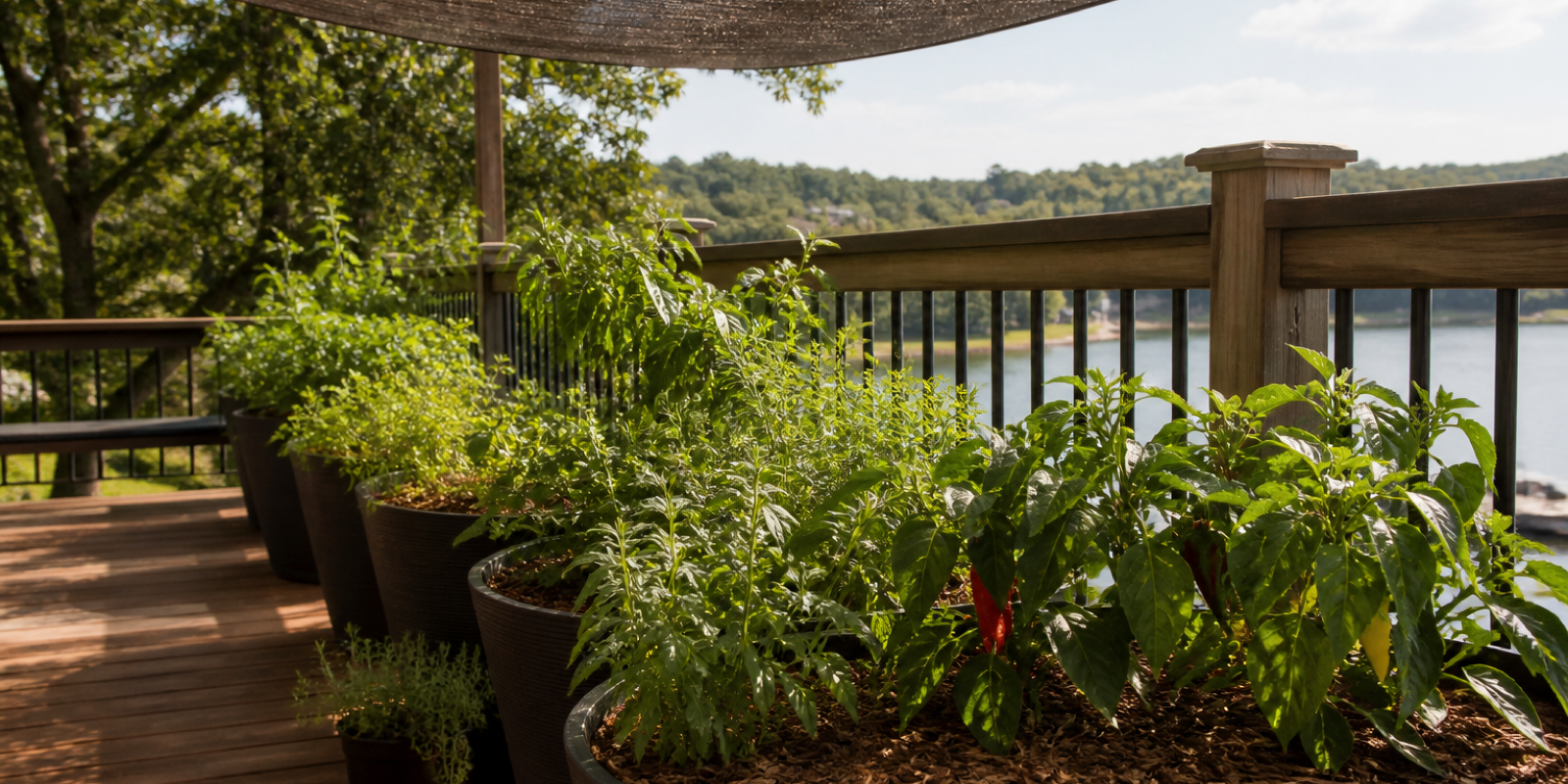
Heat-smart container gardening for summers
Container gardening can keep producing through an Ozarks summer, but pots feel heat and wind faster than plants growing in the ground. Roots have less soil around them, dark surfaces absorb afternoon sun, and a single hot day can change the moisture level before dinner. A heat-smart routine does not mean standing over containers all day. It means placing them thoughtfully, watching for the first signs of stress, and making a few adjustments before a temporary dry spell becomes a lost crop.
Give roots protection from afternoon heat
Start by noticing where the strongest late-day sun lands. Many herbs, peppers, and tomatoes enjoy plenty of light, but reflected heat from concrete, siding, or a metal railing can push containers beyond what the plants can handle. Group pots together so they shade one another slightly, place them where morning light is strong, or use a breathable shade cloth during the hottest part of the day. The goal is not to eliminate sun; it is to reduce the harshest conditions around the root zone.
Water deeply instead of constantly
Check the soil before watering rather than relying only on a schedule. When the top inch is dry, water slowly enough that moisture reaches the full root area, then allow excess water to drain. A quick splash across the surface can encourage shallow roots and leaves a container dry again by midday. Early morning is usually the easiest time to water because plants can take up moisture before the day gets hot and leaves have time to dry.
- Use containers large enough to hold moisture through a warm afternoon.
- Mulch exposed soil lightly to slow evaporation without blocking drainage.
- Move stressed pots away from reflected heat before adding more fertilizer.
- Harvest ripe produce promptly so plants can direct energy toward new growth.
Make shade and airflow part of the setup
Containers that sit tightly against a wall or each other may hold more heat and stay humid after watering. Leave enough space for air to move, raise pots slightly if drainage is poor, and watch leaves for signs that the light is too intense. The practical steps in creating shade for container plants without building a structure offer useful options when a small adjustment can protect plants through a difficult stretch of weather.
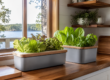
A planter built around the space you use can also make summer care easier. The custom Kratky method planter boxes page shows how a durable growing setup can be designed for a deck, patio, or dock, keeping herbs and greens accessible without crowding the outdoor area.
Use trusted local guidance
Missouri weather can move quickly from a gentle morning to heat, wind, and heavy rain. The University of Missouri Extension provides dependable gardening information that can help with crop selection, watering decisions, and seasonal care when containers start showing stress.
For broader food and garden research, the USDA National Agricultural Library offers useful resources on vegetables, herbs, and home growing. Reliable information is helpful when problems appear, but daily observation remains the best tool for a small container garden.
Refresh the routine after a heat wave
After several very hot days, remove damaged leaves, check that drainage holes are still clear, and look beneath pots for trapped water or insects. Do not assume every stressed plant needs more fertilizer; heat and dry roots are often the more immediate problem. A simple cleanup and a better location can be more useful than adding products. Keeping the containers easy to inspect means small corrections happen before the plants lose their momentum for the season.
Let the plants show you what to change
Watch how each container performs through a normal week. A plant that wilts in late afternoon but recovers by morning may need more soil volume or better shade; a plant that stays limp overnight may need a deeper watering or a different location. Make one change at a time, then give it long enough to show whether it helped. That patient approach keeps summer container gardening practical, productive, and enjoyable even when the weather turns demanding. Keep a small note of what worked, because the same hot-weather lesson can make next year’s garden much easier to manage.