
LAND & LIFE ADVICE
The simple Kratky method for first-time gardeners
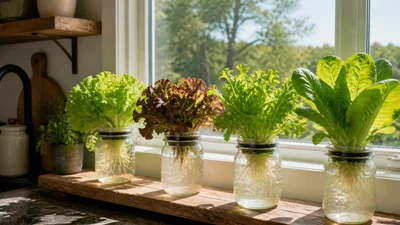
The Kratky method is a simple way to grow plants in water without pumps, timers, or a circulating system. For first-time gardeners, that is the appeal: a small jar, container, or planter can produce greens and herbs with less daily watering than a traditional pot. It is not magic and it is not the right method for every crop, but it can be a practical entry point for anyone who wants to grow food near a kitchen window, porch, or sunny deck. The same practical approach can carry into Cool-season vegetables that work well in containers, where small adjustments to light, water, and setup make the next step easier.
At its core, Kratky growing gives plant roots access to a nutrient solution while leaving an air gap as the water level drops. The upper roots take in oxygen; the lower roots take in water and nutrients. That means the container should not be topped off every day. Letting that air space develop is part of the system, not a sign that something has gone wrong.
Start with a crop that makes the method easy
Let the air gap do its job
Choose a forgiving first crop
Leaf lettuce is the best first Kratky crop for most people. It grows quickly, stays relatively compact, and gives you a clear view of how the roots develop. Basil, parsley, bok choy, and other leafy greens can also work well. Large fruiting plants such as tomatoes or peppers demand more space, more nutrients, and more attention; they are better saved for after you have one or two small successes.
Use an opaque container or cover the reservoir so sunlight does not encourage algae. A mason jar can work for a small lettuce experiment if it is wrapped or placed inside a light-blocking sleeve. A larger food-safe tote, bucket, or purpose-built planter offers more stable water volume. The container should hold enough solution that the plant can grow without needing frequent refills, while still leaving room for the air gap.
Set up the reservoir with care
Seedlings are easiest to start in a small net cup or similar holder with an inert growing medium. Place the bottom of the roots just close enough to reach the nutrient solution after transplanting. In the first few days, a young seedling may need the water level a little higher; once roots extend downward, let the level gradually fall. Keep the system in bright light, but protect the water from direct sun.
Use a hydroponic nutrient designed for edible plants and follow the label directions carefully. More fertilizer does not make a healthier plant. It can create stress and leave you trying to diagnose problems that came from an overly strong mix. Clean water, the right nutrient concentration, and a steady location matter more than buying complicated equipment.
Keep the first experiment small. One healthy lettuce plant teaches more than a complicated system with too many variables. Observe before adjusting. When you are ready to use the method for kitchen herbs, continue with How to build a compact herb planter for a sunny deck.
- Begin with lettuce or another leafy green instead of a heavy fruiting crop.
- Block light from the reservoir to reduce algae.
- Use a food-safe container and a nutrient made for hydroponic growing.
- Do not keep refilling to the original level once roots are established.
- Keep the plant in bright, stable light and check it regularly for root health.
Understand the air gap
The most common beginner mistake is treating a Kratky reservoir like a regular self-watering planter. When the solution level drops, the exposed root zone gains access to air. If you immediately fill the container to the brim again, those roots lose the oxygen the plant has adapted to use. With a small setup, it is better to observe the water level and root color than to fuss with it every day.
Healthy roots are usually pale and firm. A strong smell, dark slime, or wilting despite plenty of water can point to a problem with heat, light entering the reservoir, or poor oxygen conditions. Start small enough that you can learn from the plant. A jar of lettuce on a windowsill teaches more than a large, complicated build that is hard to troubleshoot.
For practical plant-growing information that complements a small hydroponic experiment, University of Missouri Extension is worth consulting before making a final decision.
Use Kratky where it helps your routine
The method is especially useful for people who want greens close to the kitchen but do not want to water soil containers every day. It can also be a good fit for a protected porch or a bright indoor spot during the colder months. In central Missouri, extreme summer heat can warm reservoirs quickly, so shade around the container and attention to water temperature matter if you keep the system outside.
For a sturdier, built-in version of this idea, our custom Kratky method planter boxes are designed for practical home growing. If you are comparing approaches or learning the basics of growing in small spaces, the University of Missouri Extension container-growing guide is also a good companion resource.
Kratky growing works best when it stays simple. Pick one leafy crop, use a clean light-blocking reservoir, mix nutrients correctly, and let the plant show you how the system behaves. That first small harvest is enough to decide whether you want to expand the method into a larger part of your home garden.