
LAND & LIFE ADVICE
How to build a compact herb planter for a sunny deck
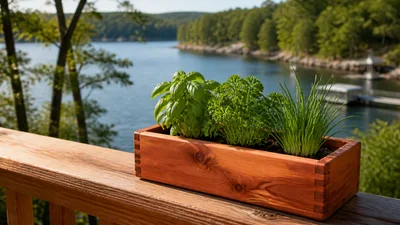
A compact herb planter is one of the best woodworking projects for a deck because it solves two problems at once: it gives fresh herbs a dependable place to grow, and it turns an unused patch of railing or floor space into something useful. It does not need to be oversized or fancy. In fact, a modest box that is easy to water and harvest usually gets more use than a dramatic planter tucked in a far corner. The same build-it-for-use mindset carries into Spring woodshop cleanup that makes weekend projects easier, where a simple design and durable materials keep the project useful.
Before buying lumber, decide how the planter will be used. A box for basil, parsley, and chives can be shallow and narrow. A planter meant to hold rosemary, larger mint containers, or a mix of herbs needs more soil and better drainage. Measure the location, including room to stand and water it. On a Lake of the Ozarks deck, also consider wind and reflected heat; sunny boards can make a small planter dry out faster than expected.
Size the box for herbs, not for a vegetable garden
Harvest without slowing growth
Make the box easy to reach
Most culinary herbs do well with eight to ten inches of soil depth. A planter around thirty-six inches long and ten to twelve inches wide is enough for a useful assortment without becoming heavy or hard to move. Keep the width narrow enough that you can reach the center without leaning into the plants. If the box will sit directly on a deck, elevate it slightly with small feet or runners so water can drain underneath and the boards do not stay wet against the surface.
Cedar is an excellent choice for this kind of build because it is naturally durable outside, light enough to work with, and looks right as it ages. Use untreated boards for an edible planter. Exterior-rated screws will hold better than nails as the wood moves through Missouri’s hot, cold, wet, and dry seasons. Pre-drill near the board ends to reduce splitting, and add a simple brace if the sides are long enough to bow under wet soil.
Build drainage in from the beginning
A beautiful wood box will not help herbs if the roots stay wet. Drill several drainage holes in the bottom before assembly is complete. If the planter is on a deck, place a shallow tray or catch surface underneath only if it will not trap water around the holes. A loose layer of landscape fabric can keep potting mix from washing out, but do not seal the base with plastic. Herbs need air around their roots as much as they need water.
Put usefulness before ornament. The best herb planter is close enough to water and harvest without becoming another chore. Give each herb the right conditions. For larger wood-planter construction details, read Building a simple raised planter from rot-resistant lumber.
- Use untreated cedar and exterior screws for an edible planter.
- Make the box shallow enough to reach and deep enough for roots.
- Raise the planter slightly so the deck can dry beneath it.
- Drill several drainage holes instead of relying on one large opening.
- Fill with potting mix, not compacted soil from the yard.
Pick herbs with compatible needs
It is easy to overpack a new herb box. Start with plants you use in the kitchen and group them by how much water they prefer. Parsley, chives, and basil like consistent moisture and rich soil. Thyme, oregano, and rosemary prefer a little more drainage and do not want to sit wet. Mint is vigorous enough that it is usually best kept in its own pot, placed inside or beside the planter, so it does not take over everything else.
Give basil a warm, sunny spot once cold nights have passed. Harvest a few leaves regularly and pinch back the growing tips above a set of leaves to encourage a bushier plant. Parsley can handle cooler weather and tends to look good longer. Chives are nearly effortless and return year after year in the right conditions. A little planning makes the planter feel intentional instead of crowded.
For additional Missouri growing guidance for herbs and small outdoor spaces, University of Missouri Extension is worth consulting before making a final decision.
Make it part of the way you cook
Place the planter where it will remind you to use it. A box near the grill, kitchen door, or outdoor table has a better chance of becoming part of dinner than one placed only for looks. Keep small snips nearby, and water deeply when the soil begins to dry. A light mulch layer helps slow evaporation, particularly on a deck that gets afternoon sun.
If you want a more tailored growing setup—especially one built around simple water-conscious methods—take a look at our custom Kratky method planter boxes. For wider container-growing guidance, the University of Missouri Extension has useful information on soil, sun, and choosing plants for small spaces.
A compact herb planter is a small project with a daily payoff. Use sound lumber, build for drainage, keep the planting simple, and put it somewhere you will actually reach for a handful of herbs. That is how a handmade box becomes part of the home instead of another outdoor decoration.