
LAND & LIFE ADVICE
Spring woodshop cleanup that makes weekend projects easier
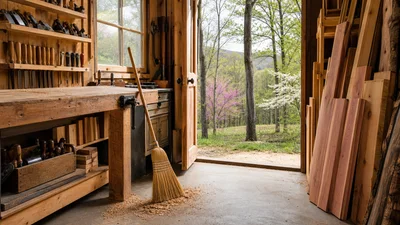
A spring woodshop cleanup is not about making a workshop look like a catalog photo. It is about getting rid of the little obstacles that turn a simple Saturday project into an hour of searching for clamps, sweeping a path, or wondering where the last usable board went. Whether your workspace is a dedicated shop, one side of a garage, or a small shed near the Lake of the Ozarks, a few practical changes can make it safer and more useful for the whole season. The same build-it-for-use mindset carries into How to build a compact herb planter for a sunny deck, where a simple design and durable materials keep the project useful.
Start by looking at the floor, the main work surface, and the tool you use most. Those three places tell you where the real friction is. If there is no clear path from the door to the bench, that is the first problem to solve. If the bench has become long-term storage, clear it before organizing the walls. If a saw or drill is buried under offcuts, give the tool a permanent home before buying another organizer.
Clear the work zone first
Organize around the next project
Reset the surfaces you use most
Move loose wood, broken jigs, empty finish cans, and mystery hardware out of the main work area. Do not make every decision at once. Set aside usable boards, a small bin for hardware, a trash or recycling pile, and a short “decide later” stack. The goal is a clear bench and safe walking area by the end of the first pass. Once you can see the room, the next decisions become much easier.
Offcuts deserve a little judgment. Short pieces of solid wood can be valuable for garden stakes, small repairs, shop blocks, seed markers, or simple gifts. Random scraps of plywood with torn edges often take more space than they are worth. Keep a container or rack with a defined limit. When it is full, use the material, pass it along, or let it go. A scrap system only works if it has boundaries.
Put frequently used tools where they are easy to return
The simplest organization is usually the best: tools you reach for every project should be visible and close to the workbench. A pegboard, simple French cleat wall, or a row of sturdy hooks can work well. The system does not have to be fancy, but every tool needs an obvious place to go when the work stops. That reduces clutter more effectively than a cabinet full of unlabeled drawers.
Clear the friction first. A safer path and open workbench matter more than a showroom-perfect wall of storage. Keep useful scraps intentional. One quick project that can use good offcuts is Building a simple raised planter from rot-resistant lumber.
- Clear the floor and main workbench before organizing shelves.
- Keep a limited, useful assortment of offcuts rather than every scrap.
- Store the tools you use most within one or two steps of the bench.
- Check cords, blades, bits, and safety gear before the next project begins.
- Make a short list of consumables to replace instead of buying duplicates.
Check safety and maintenance while the shop is open
Spring is a good time to inspect extension cords, replace cracked safety glasses, clean sawdust from tool vents, and make sure fire extinguishers and first-aid supplies are reachable. Dust collection does not have to be elaborate, but a shop vacuum and regular cleanup are better than letting sawdust build up around tools and electrical connections. If you have been putting off sharpening blades or replacing worn sandpaper, make that part of the reset too. Dull or worn equipment makes simple work harder and less safe.
Pay attention to lighting as well. A shop that felt fine in winter can have glare or dark corners when the door is open and spring sun changes direction. A movable work light near the bench is often more useful than another overhead fixture. Good light helps with measuring, finishing, and noticing defects before they become a problem.
For a helpful reference when reviewing safe shop habits and equipment use, OSHA’s woodworking safety resources is worth consulting before making a final decision.
Set up for the projects you actually want to make
Instead of organizing around an imaginary future shop, organize around the next two or three projects. If garden season is coming, keep cedar boards, exterior screws, and measuring tools together for planters, trellises, or a potting bench. If you want to make gifts, save a small section for clean hardwood offcuts and finishing supplies. A useful shop supports the way you work now.
A clean workspace makes it easier to take on useful projects with the materials you already have. When you want to see finished pieces made for real homes and outdoor spaces, browse the LOZ Woodworking shop. For more small-space gardening ideas, the University of Missouri Extension offers dependable regional guidance.
Do not wait for a full week off to reset the shop. An hour spent clearing a path, sorting offcuts, and putting the most-used tools back where they belong can change the next project completely. The best cleanup is the one that makes you want to walk back in and build something.