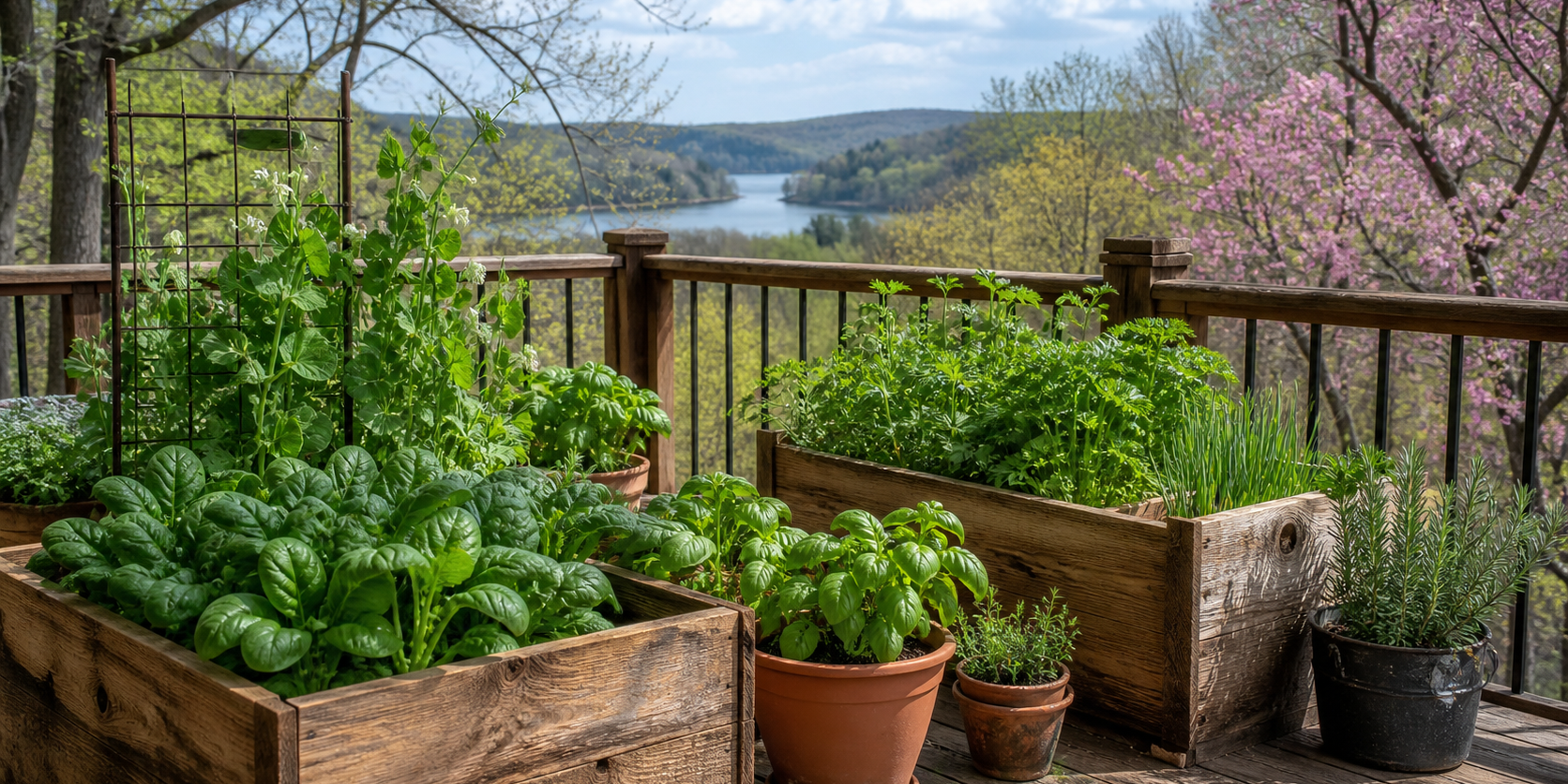
Spring Container Gardening: What to Plant First
Spring container gardening in Missouri is mostly about timing and restraint. The first warm day can make it tempting to fill every pot with summer plants, but a quick cold night can undo that work just as fast. A better approach is to start with crops that enjoy cool weather, learn how the light moves across your porch or deck, and save heat-loving plants for when nights settle down. The same practical approach can carry into The simple Kratky method for first-time gardeners, where small adjustments to light, water, and setup make the next step easier.
Containers are flexible, which is their greatest advantage. You can move a small pot closer to the house when temperatures dip, shift a planter out of harsh afternoon wind, or replace a crop that has finished without rebuilding the whole garden. That makes spring a good time to experiment—as long as you begin with plants that match the season.
Begin with cool-weather crops
Use containers as flexible growing space
Start with the season you have
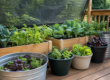
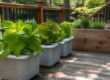
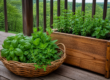
Lettuce, spinach, arugula, kale, Swiss chard, radishes, peas, parsley, and chives are all good candidates for early containers. They do not need the sustained heat that tomatoes, peppers, cucumbers, basil, and sweet potatoes need. A single wide planter can hold a mix of loose-leaf lettuce and radishes, while a deeper pot can support peas with a small trellis.
Choose seedlings that look healthy and compact, or start seeds directly in potting mix. For greens and radishes, seed-starting is usually simple and inexpensive. Label what you plant, especially if several containers look alike at first. A plain wood marker or small pencil-written stake is enough. You do not need elaborate supplies to keep a small garden organized.
Wait on tender warm-season plants
Tomatoes and peppers may be everywhere at the garden center early in spring, but they prefer warm soil and steady nighttime temperatures. If you buy them before conditions are right, keep them protected and do not rush them into an exposed container. Basil is particularly sensitive to cold. It is better to plant it later into warm, ready soil than to nurse a stressed plant through several chilly nights.
Do not rush warm-season plants. Waiting for reliable temperatures prevents stress and wasted starts. Use early crops to learn the site. For a detailed crop list, read Cool-season vegetables that work well in containers.
- Plant greens, radishes, peas, parsley, and chives early.
- Wait for reliably warm nights before planting basil, tomatoes, and peppers.
- Use potting mix with good drainage rather than garden soil.
- Keep a light cover or sheltered location available for late cold snaps.
- Start with a few containers you can water and harvest consistently.
Prepare containers for an easier season
Clean last year’s pots, check drainage holes, and replace tired potting mix before filling everything. If a container held a diseased plant or became waterlogged, wash it well and start fresh. For healthy pots, you can often refresh the mix with compost and new potting material rather than discarding all of it. The goal is a loose, moisture-holding mix that still lets roots breathe.
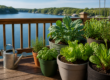
Place containers where they can be reached easily with a hose or watering can. A beautiful planter at the far end of a dock or down a long set of steps may look good for a week and then get neglected. Practical placement matters. Keep the things you use often—the watering can, snips, and plant food—where they are visible and convenient.
For reliable guidance on seasonal growing conditions in Missouri, University of Missouri Extension is worth consulting before making a final decision.
Watch the space as the season changes
The sun angle changes quickly in spring. A spot that is shaded in March may be bright by late April, while a south-facing deck can become much hotter than expected. Check your containers at different times of day before declaring that a plant “does not like” the location. If something struggles, move the pot while it is still small. That is a normal advantage of container gardening, not a failure.
When cool-season greens begin to bolt, use that opening for summer herbs or a flowering annual. The same container can serve several purposes through the season. For a more permanent small-space growing option, our custom Kratky method planter boxes are made for useful home gardens. The University of Missouri Extension is also a dependable reference for plant timing and container care.
Spring gardening works best when it begins with what the season gives you. Plant a few cool-weather crops, keep the containers simple, and leave room to change plans as temperatures rise. That is how a small group of pots becomes a garden you will want to keep using all year.