If a whitetail smells you, the hunt is over. Their nose can parse human odor at parts-per-trillion levels, and shifting wind turns your body into a moving scent source. Effective scent control is a system, not a single product. In this how-to guide for beginners, we will break down the science and practice of reducing odor signatures, with a practical focus on selecting and using deer hunting scent control spray as part of a complete approach.
By the end, you will understand how human scent is produced, how it travels on wind and thermals, and how to disrupt it. You will learn a stepwise routine: pre-hunt hygiene, scent-safe laundering and storage, material choices that limit odor adsorption, smart application of spray in the truck, at the trailhead, and on stand, and how often to reapply based on exertion and conditions. We will cover route planning to minimize ground scent, reading wind and microcurrents, and common mistakes that defeat even good products. Expect practical checklists, clear timing cues, and simple field tests so you can measure improvement and stack every advantage in your favor.
Understanding Why Scent Control Matters
Whitetail deer prioritize scent over sight and sound, so your odor footprint determines whether you get a calm, broadside shot or a white flag bounding away. Their noses contain roughly 297 million olfactory receptors compared to about 5 million in humans, and a proportionally large olfactory bulb that parses odor streams with fine resolution. In cool to mild temperatures, moderate humidity, and steady light wind, airborne human volatile compounds travel efficiently. Under these conditions, deer can detect human scent from significant distances, reported up to a half mile in field observations. See the biological overview in deer hunting scent control techniques and wind-related failure points in reasons deer are winding you.
How deer use scent and why it changes behavior
Elongated nasal passages with complex turbinates create a large, moist surface area that captures odor molecules for extended analysis. Deer also communicate with tarsal and interdigital gland secretions, so they constantly sample the air and ground for risk, herd identity, and breeding cues. When they catch a foreign human odor spike, typical responses include pausing to verify, circling to get downwind, then either avoidance, alarm snorts, or nocturnal pattern shifts. This is why minimizing human odor is not optional, it directly affects daylight movement and shot opportunity.
Step-by-step: control what deer can smell
Prerequisites: Basic wind-reading skills, clean storage for gear.
Materials: Unscented detergent, airtight tote or bag, rubber gloves, plant-based deer hunting scent control spray, optional ozone for storage.
- Decontaminate clothing. Wash in unscented detergent, then air dry outdoors. Outcome: reduces detergent and household VOCs. Reference process guidance in Scent Free Secrets.
- Isolate gear. Store clothing and boots in airtight containers with natural cover elements like cedar needles. Outcome: prevents cross-contamination.
- Field dress routine. Handle gear with clean gloves, avoid fuel and food odors. Outcome: limits fresh human scent transfer.
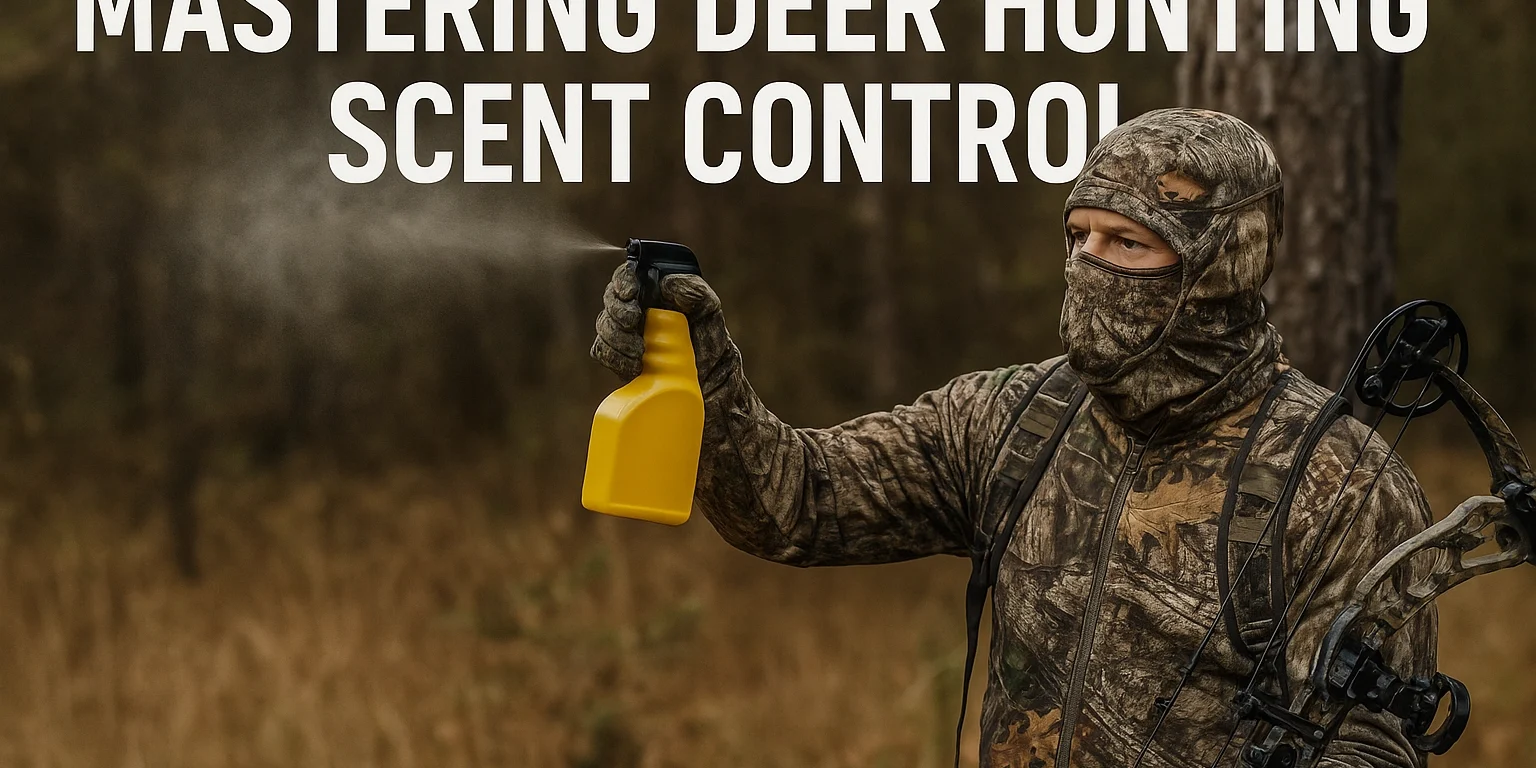
- Treat outer layers. Apply a plant-based scent-control spray evenly, including hat, harness, and pack. Outcome: knocks down transient human odor and blends with local vegetation.
- Hunt the wind. Set up crosswind or slightly quartering wind. Outcome: keeps any residual odor stream away from the deer’s nose.
Next, we will translate this foundation into a full-field protocol that integrates entry routes, stand placement, and timed reapplication.
Essential Gear for Successful Scent Control in Hunting
Prerequisites and Materials
- Prerequisites: Clean, scent-free storage for clothing, unscented washing routine, plan to hunt with the wind in your favor.
- Materials: Durable, weather-resistant outerwear, quiet mid-layers, moisture-wicking base layers, plant-based deer hunting scent control spray, a small balm or paste for high-contact surfaces, resealable gear bags, and LOZ Woodworking & Outdoors NO-Sniff-U for field use.
Step-by-Step Gear and Application Workflow
- Select durable, weather-resistant apparel
- What to look for: quiet-face fabrics, durable water repellent finishes, sealed or well-constructed seams, articulated joints, and breathable panels to vent moisture. A layered system controls odor by reducing sweat accumulation and fabric noise. See the feature set and rationale in this gear spotlight on full-season apparel.
- Expected outcome: less fabric noise, better moisture control, and longer-lasting performance. Industry reports note growing adoption of weatherproof systems in the last few years, reflecting field-based demand for rugged gear source overview.
- Decontaminate and stage
- Wash apparel with unscented detergent, air-dry, then bag garments with clean, natural materials like cedar boughs if local regulations and ethics allow. If you use ozone in storage, run short cycles every few days, then fully off-gas before packing.
- Expected outcome: reduced foreign VOCs before leaving home.
- Prepare natural spray and balm
- Mix a plant-based spray or carry a ready-made option. For DIY, essential oil blends with cedarwood, pine, fir, and vetiver are common; see this DIY essential oil spray recipe. Pair with a light balm, such as a wax-based paste, for high-wear areas.
- Expected outcome: a consistent, environment-matched cover profile.
- Pre-walk application
- Lightly mist outerwear, pack straps, hat brim, and boot uppers. Apply balm to boot seams, zipper pulls, weapon sling, and release or glove fingertips.
- Expected outcome: reduced signature on high-contact fabrics and hardware.
- Field maintenance with NO-Sniff-U
- Use LOZ NO-Sniff-U in short bursts on seats, climbing sticks, pack handles, and pockets after exertion, rain, or snacks. Deer can detect low-level human VOCs at close ranges in dry air, so reapply every 2 to 3 hours, after sweating, or when wind shifts.
- Expected outcome: practical, on-demand scent management that matches changing conditions.
- Post-hunt reset
- Air-dry gear in a shaded, clean area, then re-bag. Log what needed extra applications to refine future use.
- Expected outcome: repeatable system readiness for the next sit.
Preparing Yourself for the Hunt: The Right Way
Preparation reduces your odor signature before the first footstep. Prerequisites include a scent-free wash routine, sealed storage for apparel, and a wind-first plan. Materials: unscented soap and shampoo, unscented deodorant, clean towels, airtight totes or bags, rubber boots, and a plant-based deer hunting scent control spray like LOZ NO-Sniff-U. Expected outcome is shorter detection distance and more time on stand before deer sort you out.
Step 1: Shower with scent-free soaps to eliminate body odor
Shower within two hours of leaving, using unscented soap and shampoo, then rinse thoroughly to remove residual surfactants. Skip cologne and aftershave, and use unscented deodorant. Brush with unscented paste, then eat a crisp apple to help neutralize breath sulfur compounds, a practical tip validated in Outdoor Life’s scent-control guide. Dry with a laundered towel stored in a sealed bin. Dress in a clean base layer that was stored scent-free.
Step 2: Utilize scent-free storage solutions for your gear
Store outer layers in airtight totes or scent-proof bags with a clean, unscented sheet or a handful of local pine or cedar to align with ambient vegetation. Keep bins away from fuels, food, and household cleaners. If you use ozone in storage, cycle a small unit every couple of days to knock down residual odor, a method commonly cited in Deer & Deer Hunting’s product roundups. Transport clothing sealed, and dress at the trailhead. Expected outcome is less contamination from home, garage, and vehicle environments.
Step 3: Wear hunting apparel infused with natural scent-blocking agents
Select apparel engineered for scent mitigation, such as activated-carbon or silver-infused layers, or fabrics finished with plant-based blockers like cedarwood, fir, or pine derivatives. Keep them effective by washing with unscented detergent, skipping dryer sheets, and drying on low heat, which helps reactivate some sorbent treatments. Build a moisture-moving base and breathable mid layer to reduce sweat accumulation, aligning with modern odor and temperature management trends. Before walking in, mist outer layers and boots with your plant-based deer hunting scent control spray to cut transient human VOCs. Expected outcome is a slower odor release profile, especially during exertion and thermals.
Step-by-Step Instructions: Applying Scent Control Effectively
Prerequisites and materials
Arrive with clean, sealed apparel and a wind plan, then finish odor work on site to avoid vehicle contamination. Pack LOZ Woodworking’s NO-Sniff-U deer hunting scent control spray, unscented wipes, a clean microfiber cloth, and a breathable, scent-free garment bag. Rubber or non-porous boots help limit absorption and ground transfer. Change into hunting clothes at the trailhead, not at home, to minimize pickup of household and fuel odors, a point reinforced in this practical pre-hunt preparation checklist. Aim to spray in calm air, early morning or just before the evening sit, when humidity often runs higher and scent molecules adhere to surfaces better. Keep food, coffee, and fuel away from your gear; segregate them in separate containers to prevent cross-contamination.
Step-by-step application
- Boots: From 8 to 12 inches, mist soles, sides, tongues, and inside cuffs until evenly damp, then let dry 2 to 3 minutes; concentrate on tread where ground scent accumulates. 2) Clothing: Spray outer layers, cuffs, collars, seat, knees, hats, and gloves in overlapping passes until fabric is uniformly wetted but not dripping, then air dry before moving. 3) Equipment: Treat backpack straps, belts, buckles, treestand harness tethers, slings, and release aids; avoid optics and moving parts by spraying a cloth and wiping those zones. 4) Entry trail: After spraying, cover the last 20 to 30 yards on clean vegetation to dilute any remaining ground trail, a field tactic echoed in these field application tips. 5) During the hunt: Reapply lightly after sweating, climbing, handling snacks, or every 2 to 3 hours, keeping your body downwind while spraying, consistent with early season reapplication guidance.
Utilizing NO-Sniff-U and expected outcomes
NO-Sniff-U is a versatile, fragrance-free neutralizer designed for skin, clothing, and hard goods, aligning with natural, low-profile fieldcraft. Before entry, apply a full-coverage base coat; during sits, micro-mist high-friction areas like cuffs and pack straps where fresh human VOCs accumulate. For metal and polymer gear, a wipe-on method reduces overspray and protects sensitive surfaces. Post-hunt, air dry items, then store in a sealed, clean bag; a light maintenance mist before sealing helps preserve a low odor baseline. Expect a reduced scent signature, fewer alert reactions on marginal winds, and more seconds to make a controlled shot, recognizing that product use complements, not replaces, wind discipline.
Utilizing Natural and Plant-Based Solutions
Why essential oils like cedarwood and eucalyptus are rising
Essential oils such as cedarwood and eucalyptus are gaining traction because their terpene profiles align with what deer already expect in timber. Cedarwood, rich in cedrol and thujopsene, reads like fresh cedar duff rather than a foreign chemical. Eucalyptus contributes eucalyptol, a strong monoterpene that helps drown low-level human VOCs and can discourage biting insects. Research and field notes agree that deer still smell us, especially in still air, but at shorter ranges when odor is diluted. Plant volatiles add a familiar, low-amplitude background that makes your presence less distinct.
Eco-friendly choices for the disciplined, eco-conscious hunter
Eco-friendly hunters favor plant-based formulas because inputs are renewable and typically biodegradable. A practical mix is distilled water carrier, 5 to 10 percent botanical ethanol for clean evaporation, and 0.5 to 1.0 percent total essential oils such as cedarwood, fir, or eucalyptus, dispersed with a small dose of plant-derived emulsifier. Bottle in opaque HDPE or amber PET, date the batch, and store below 30 C. This avoids halogenated solvents, artificial dyes, and persistent polymers. Patch test for sensitivity, and avoid overapplication, since overly strong scent signatures can flag as abnormal.
Plant-based versus synthetic, plus a simple step-by-step
Compared with synthetic scent control, plant-based sprays blend via familiar terpenes rather than aggressive oxidizers or heavy antimicrobials. Synthetics may persist longer in sealed storage, but natural blends excel in-field by harmonizing with local vegetation and flashing off cleanly. Prerequisites include clean apparel stored scent-free and a wind-first plan. For beginners, pair a wind-first plan with a plant-based deer hunting scent control spray for a disciplined, low-impact system. Use LOZ Woodworking’s NO-Sniff-U with this sequence: 1) Shake to fully disperse oils. 2) From 8 to 10 inches, mist outer layers, hat, pack straps, and soft boots to a light, even dampness. 3) Focus on cuffs, collar, waist belt, and sling hand, the highest friction emitters. 4) Reapply every two hours or after exertion, and stow cleaned gear in a sealed tote after the hunt. Expected outcome, a lower-amplitude scent signature that holds steadier through a sit and reduces close-range alarms.
Advanced Tips and Troubleshooting Scent Control
Prerequisites, materials, and expected outcome
Advanced scent control is about finding leaks and stacking defenses so your odor cone stays outside encounter ranges. University studies indicate deer detect low level human VOCs even in dry air, usually at shorter distances, so small improvements matter. Prerequisites include a scent-free wash routine, sealed storage, and a wind-first access plan. Materials include a deer hunting scent control spray such as LOZ Woodworking’s NO-Sniff-U, unscented wipes, rubber boots, a small brush for soles, and dedicated airtight totes. The expected outcome is fewer alarm cues, calmer body language, and more stationary shot windows inside typical bow distances. For additional hygiene tactics, see 10 Scent Control Tips to Help You See More Deer.
Troubleshooting common scent failures, step by step
- Body odor: shower with unscented soap, dry completely, then dress. Apply two light, even spray coats to base and outer layers, focusing on armpits, waistband, collar, and hat. Outcome, reduced VOC peaks during exertion. 2) Clothing contamination: transport garments in airtight totes with natural cover elements like cedar, then dress at the trailhead. Mist friction zones after you gear up. Outcome, lower cross-contamination from vehicle, food, and pets. 3) Footwear trails: scrub soles, avoid fuel pumps, and step onto a clean mat before boots touch dirt. Wear knee-high rubber boots and treat them with a light spray film. Outcome, shorter lasting ground trail. 4) Environmental contact: use a stick to move branches and avoid leaning on trees. After setup, respray cuffs, pack belt, and seat. Outcome, fewer scent deposits at deer nose height.
Combine spray and ozone for layered control
Ozone converts O2 to O3, which oxidizes odor molecules and reduces their volatility. For storage, treat sealed totes or a small closet for 10 to 30 minutes every 48 hours, then allow 30 minutes of off gassing before use, never operate ozone in occupied enclosed spaces. In the field, direct any ozone flow downwind to merge with your odor stream. Pair ozone with plant-based spray treatment and disciplined dry storage for additive effect. Outcome, multi channel reduction that smooths scent spikes created by sweat, gear friction, and time.
Terrain and weather fine tuning
In dense timber, limited airflow pools odor; set up where thermals pull away from trails and refresh cuffs and knees after climbing. In open fields, micro winds edge around hedgerows; test with powder, then face your downwind at least 15 degrees off the expected approach to keep your cone off trail. Morning thermals rise and evening thermals sink; schedule entries to ride those vertical moves. Warm, humid air and light drizzle can extend odor persistence on foliage, so tighten your respray interval to every 60 to 90 minutes. On cold, dry days, scent disperses farther but dilutes faster; prioritize silent movement and wind discipline over frequent spraying. This iterative approach keeps your system stable across changing hills, cuts, and weather fronts.
Bringing it All Together: Achieving Success in Deer Hunting
Consistency, discipline, and results
Success comes from disciplined repetition that turns scent control into routine. Prerequisites include clean storage, a wind-first plan, and time to dress at the access point. Materials include LOZ Woodworking’s NO-Sniff-U deer hunting scent control spray, scent-free wash, airtight bags, rubber boots, and natural cover elements like cedar. The expected outcome is a smaller odor cone that stays outside likely approach routes, especially when you keep the wind in your favor. Deer can still detect low-level human VOCs at short range, so your goal is risk reduction, not invisibility.
- Pre-hunt hygiene, unscented shower and thorough dry.
- Clothing, launder scent-free, air dry, store sealed with natural cover, dress on site.
- Application, mist boots, cuffs, seat, harness, and pack with NO-Sniff-U; a 24 ounce field bottle typically covers a weekend.
- Wind and access, verify wind at the truck and at the stand, choose downwind entry, minimize ground contact.
- On-stand control, manage moisture with breathable layers, reapply to high-friction areas after sweating or brush contact.
- Post-hunt, bag garments immediately, consider running an ozone cycle in storage every couple of days, then repeat.
Evaluate, adapt, and connect
Treat each hunt as a measured trial. Keep a field log for wind, route, humidity, exertion, reapplication time, and deer reactions such as foot-stomp, head-bob, or tail twitch. Tag events as winded, ground-trail pickup, or unknown, then change one variable per sit to isolate effects. Align cover with your terrain using plant-based terpenes like cedarwood or pine when appropriate. Share observations and photos with LOZ Woodworking communities, compare notes on setups and wind maps, and help refine a practical system that rewards consistency and discipline.
Conclusion
Scent control is a system, not a single bottle. First, reduce odor at the source through clean skin, scent safe laundering, and airtight storage. Second, choose low odor materials and use a quality spray at smart touchpoints, in the truck, at the trailhead, and on stand, reapplying as exertion and weather demand. Third, hunt the air: plan low impact routes, read wind and thermals, and avoid common mistakes that lay ground scent where deer live.
Put this to work now. Download the checklist, assemble your kit, pre-wash and store your gear, then map a wind-first entry for your next sit. Treat your spray as a tool inside a disciplined routine. Do this consistently and you will hunt closer, stay undetected longer, and see more mature deer.