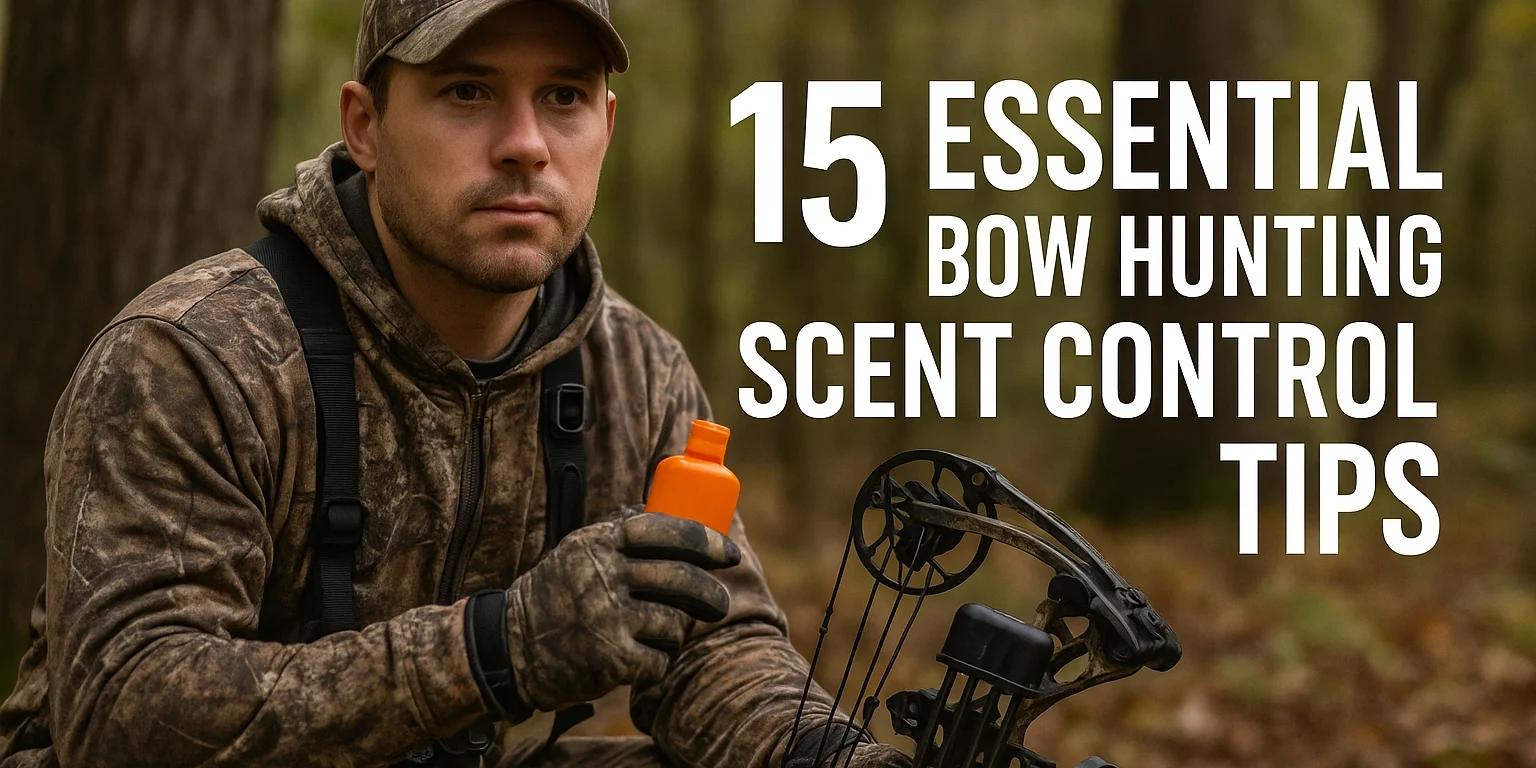
Deer live by their noses. If your scent stream touches the wrong patch of brush, the hunt is over before you draw. Intermediate bowhunters know the basics, yet consistent success comes from disciplined, system-level scent control. This guide delivers 15 bow hunting scent control tips that refine your entire process, from how you launder and store gear to how you move through shifting thermals and marginal winds. The goal is simple. Reduce your odor signature, control where it travels, and keep it out of a mature buck’s world.
You will learn how to build an effective scent-free routine at home and in the field, how to choose and maintain garments and accessories that actually contain odor, and how to sync your approach with terrain-driven air flow. We will cover vehicle and pack contamination, footwear protocols, realistic use of ozone and carbon, smart use of cover scents, and in-hunt refresh tactics. Expect clear, field-tested practices that stack small advantages. Apply them consistently and you will get closer opportunities, steadier encounters, and cleaner shot windows this season.
Understanding Scents and Their Impact
1. Scent travels farther than you think
Effective bow hunting scent control tips start with this reality, human odor moves like a plume on wind and thermals. On open ground with steady wind, it can drift roughly 500 yards, and farther when humidity preserves molecules and terrain funnels air how far human scent can travel. For deer, favorable conditions allow detection of human odor at about half a mile how far deer can detect human scent. Use powder or milkweed to map your cone, watch hourly wind and thermal shifts, and set stands where that plume falls into dead ground like creek bottoms or nonuse openings.
2. Game animals live by their noses
Whitetails live by their noses, with roughly 297 million olfactory receptors tuned to tiny changes in airborne chemistry. Carnivores like wolves can pick up human odor from around a mile, depending on weather and terrain how far a wolf can smell you. This advantage means faint contamination, detergent residue, fuel vapor, or last night’s garlic, can trigger alarms before you ever see them. Treat scent as a system, body, clothing, pack, and weapon, so your overall profile stays below the avoidance threshold.
3. Inaccurate scent management changes animal behavior
Poor scent management does more than bust one sit, it reshapes movement as deer skirt trails, go nocturnal, or abandon a food source. Prevent this by planning entry and exits around wind, moving slowly to limit perspiration, and timing approaches for rising or falling thermals. Store garments in sealed containers with local cedar, pine, or juniper so your kit echoes the woods, and use a neutralizing spray on boots and high-contact gear. At LOZ Woodworking & Outdoors, we favor plant-based, field-realistic solutions applied sparingly in the last 50 yards, a disciplined approach that keeps your presence quiet.
Pre-Hunt Scent Control: Set the Foundation
1. Start with a scent-free shower using unscented soap
Begin every hunt with a clean slate. Take a hot shower using truly unscented soap and shampoo, then finish with an unscented deodorant so you do not layer artificial smells on your skin. Scrub scalp, armpits, groin, feet, and behind the ears, and clean under fingernails where odor-causing bacteria linger. Use a towel that was washed scent free, and skip lotions or hair products that carry fragrance. Seasoned bowhunters treat this step as nonnegotiable, since even trace human odor can educate deer and shift patterns. For a deeper checklist of body prep, review these scent elimination fundamentals for bowhunters, and consider bland meals the day prior, avoiding garlic and onions per these diet considerations for scent control.
2. Wash hunting clothes in scent-free detergents like baking soda
Your washer can sabotage you if it smells like last week’s laundry. Run an empty hot cycle first to purge fragrances, then launder hunting layers with baking soda or a true unscented detergent. Skip fabric softeners, pods, and dryer sheets, and double rinse to remove residues that hold smell. Air dry outdoors in a clean area, not in a kitchen, garage, or near the grill, and handle garments with clean hands only. Bag garments immediately after drying to keep them from absorbing household odors, and reserve a separate set of scent-free towels and socks strictly for hunt days.
3. Store clothes in scent-proof bags until the hunt day
Clean clothing is only an asset if it stays clean. Seal garments in airtight totes or quality scent-proof bags, pressing out excess air and keeping boots and gloves in their own container. To blend with your local environment, add a light touch of natural cover, such as a handful of native pine needles, cedar shavings, or crushed juniper, and refresh as conditions change. Transport bags closed in your vehicle, and change into your kit at the trailhead to avoid cab odors and fuel fumes. Open containers downwind, gear up slowly to limit perspiration, and you will carry a low-odor profile that sets up the rest of your bow hunting scent control tips to work.
Natural Scents: An Age-old Solution
1. Use natural cover like pine and earth to blend your profile
Natural cover scents work because they harmonize your odor with the habitat rather than fight it. In conifer country, lightly mist boots, pant cuffs, and pack straps with a pine or cedar profile, then touch up at the truck before you walk in. In mixed hardwoods or farm edges, an earth-forward scent helps your entry trail read like the forest floor; crush local leaf litter in a bag and store outer layers with it for 24 hours for a subtle, realistic carryover. Apply sparingly to entry routes, low vegetation near your stand, and your seat or blind skirt for a consistent scent picture. Walk in slowly to limit perspiration, which reduces fresh human odor and extends the life of your cover application.
2. Lock down odor at the source with NO-Sniff-U
Cover scents work best when your baseline is already neutral. Treat base layers, outerwear, harness, hat, gloves, and boot uppers with LOZ’s NO-Sniff-U scent-control spray, then let everything dry fully before sealing in a tote. Re-spray high-output zones at the truck, think armpits, waistband, collar, wrist cuffs, and the bow grip you will handle repeatedly. Hit your pack straps, seat, and safety tether as well, a no-tolerance approach keeps outside odors off anything you carry to the tree. In warm conditions, reapply after a long hike, and pair with disciplined storage between hunts so every sit starts clean.
3. Deploy essential oils intelligently, including citronella and peppermint
Essential oils can mask trace human smells when they fit the landscape and are diluted correctly. Mix 1 to 2 percent oil in water or alcohol and test lightly on a rag before field use; then dab cuffs, hat brim, and boot uppers rather than soaking garments. Citronella and peppermint are potent options for breaking up human odor signatures, especially near riparian corridors where wild mints occur. Match the biome whenever possible, pine, cedarwood, or juniper in conifer stands, earthier blends in hardwoods and fields. Less is more, a faint, familiar note convinces game, while loud, novel odors invite investigation.
Mastering the Art of Movement
- Walk slowly to reduce perspiration and scent. Among bow hunting scent control tips, pacing is foundational because sweat amplifies human odor. Plan to arrive 30 to 45 minutes earlier so you can move at 1 to 2 miles per hour, pausing every 20 to 30 yards to let your heart rate settle and your body cool. Carry outer layers in your pack and hike in a breathable base layer to avoid overheating, then add insulation at the stand. Choose shaded, low-angle approaches, open vents, loosen cuffs, and sip water to keep core temperature down. For more early season sweat control tactics, review scent control tactics for early season bowhunting.
- Learn to move with the wind so your scent never reaches game. Check hourly wind and thermal forecasts before you leave, then choose entry routes that keep you crosswind or, better, downwind of likely trails and bedding cover. In the first hours of daylight, cool air sinks, so approach from above when possible; as the sun warms, thermals usually rise, so set up accordingly or shift positions. Confirm reality on site with a small puff of powder or a loose thread tied to your bow string, then adjust micro routes around openings and edges. When the wind shifts, freeze and wait for a consistent direction, or back out and circle to reestablish a safe scent cone. For fundamentals, see wind and scent control basics.
- Wear apparel that enables quiet, strategic movement. Soft, low-rustle fabrics, minimal hardware, and simple cuts help you slide through brush without broadcasting noise. LOZ Woodworking & Outdoors apparel uses minimalist, text-based designs and subdued palettes that layer cleanly under outerwear, keeping visual and auditory presence low. Secure loose straps, tape metal buckles, and remove reflective patches to prevent unwanted clicks and shine. Pre-treat caps, gloves, and packs with NO-Sniff-U to minimize odor on high-contact items, then move deliberately so your clothing and your cadence work together.
The Role of Technology: Ozone Machines and More
1. Ozone machines effectively neutralize scents from hunting gear
For disciplined bow hunting scent control, ozone, O3, is a powerful oxidizer that breaks apart the volatile organic compounds and bacteria that create human odor. For typical totes or closets in the 100 to 160 cubic foot range, 15 to 30 minute cycles are sufficient, repeated until garments smell like nothing at all. Space garments so air circulates, unzip pockets, and treat boots inside and out with insoles removed. Keep treatments conservative with elastic, rubber, and adhesive-heavy items, and limit daily exposure to 30 to 60 minutes to reduce long term material fatigue. Always allow ozone to revert to oxygen for 10 to 20 minutes before handling gear.
2. Use portable ozone machines for quick decontamination in the field
One of the most practical bow hunting scent control tips is to place a portable generator in your sealed vehicle or duffel for a 10 to 15 minute burst before stepping off, then ventilate briefly and kit up. Midday, drop the unit in a gear bag while you glass, treat hats, gloves, and harness straps, and avoid running any ozone device in an occupied space. Humidity between 40 and 60 percent encourages effective reactions, and dry surfaces accept treatment more uniformly. Pair these quick ozone hits with disciplined transport habits, keep clean clothes in sealed bags, and handle them with unscented gloves.
3. Store hunting gear in ozone-infused containers for maximum effect
Dedicated lockers, closets, or gasketed totes maintain a low odor baseline between hunts. Establish a routine, wash in unscented detergent, dry fully, run a 20 to 30 minute ozone cycle, then seal until deployment. Surveys show the vast majority of bowhunters now use scent elimination technology, a reflection of how sensitive whitetails are to trace odor. Finish your prep by misting outer layers with a neutralizing spray like NO-Sniff-U once ozone has dissipated, then keep items sealed until you hit the wind line.
Enhancing Scent Control with Apparel
1) Merino wool layers minimize odor at the source
Merino excels at scent control because keratin-rich fibers bind odor molecules and manage sweat before bacteria bloom. Fibers can hold up to 35 percent of their weight in moisture without feeling wet, keeping skin drier and reducing the humid microclimate that feeds odor. The structure absorbs odors during wear, then releases them in the wash, extending freshness across multiple sits. For bow hunters, run 150 to 200 gsm early season, 200 to 250 gsm mid season, and 250 to 320 gsm in cold weather. Prioritize socks, base tops, bottoms, and a thin beanie. For more detail, see the Woolmark facts on natural odor resistance and merino’s thermoregulation benefits.
2) Pre-treated scent-blocking apparel compounds protection
Layer an adsorptive outer garment over merino to capture residual human odor. Before the season, wash in unscented soap, then reactivate per label, often a low to medium tumble that purges volatiles. Store clean pieces in a sealed tote with native vegetation. Before each hunt, lightly mist cuffs, collar, armpits, seat, and waistband with LOZ NO-Sniff-U scent-control spray, then let dry 10 minutes. This blend of adsorption and targeted neutralization helps shrink your scent cone when thermals shift. Skip fabric softeners, use cool-water washes, and reapply after long hikes or rain.
3) Choose LOZ minimalist designs for quiet function and discipline
Minimalist apparel eliminates failure points that create noise or odor. Favor muted colors, matte logos, and quiet weaves that resist burrs and household smells. Clean seam lines and articulated sleeves reduce friction when drawing a bow, helping you move deliberately and perspire less. Keep kits simple, for example, a merino tee under a streamlined, scent-treated shell with a packable hood. Stash a NO-Sniff-U field wipe in a chest pocket for quick pit or neck wipe downs on stand. Functional style supports your bow hunting scent control tips without adding bulk.
Field Tactics: On-the-Spot Scent Management
1) Use scent elimination sprays to reduce human odor mid-hunt
Carry a field bottle and make reapplication part of your routine, not an afterthought. Mist high-friction zones like cuffs, collar, pack straps, seat, and boot uppers, then let them air for 60 to 120 seconds. After a climb or drag, respray and focus on hands and your hat band, both collect volatile compounds quickly. Independent testing has reported some sprays blocking replicated human odor by 99 percent even after drying, a useful benchmark when selecting a reliable formula, see the data in this product sheet: evidence on spray effectiveness. For product categories and usage tactics, review this overview of field-proven scent eliminator sprays. Keep your bottle accessible in a side pocket and treat before crossing suspected trails or shifting stands. In our kits, a compact bottle of NO-Sniff-U keeps skin, gloves, and straps neutral without adding foreign notes, which fits a low impact, plant based approach.
2) Avoid contact with strong-smelling items like gasoline or food
Gas scent is a red flag that clings to fabric and rubber. Fuel up the day before, wear nitrile gloves, and do not touch boots, bow grip, or release afterward. Skip aromatic meals and condiments for 24 hours, onion, garlic, curry, and strong coffee linger on breath and in sweat. Brush with plain baking soda, carry unscented floss, and use a chlorophyll tab if your breath feels sharp. Store clothing in a sealed tote with local cover, dry cedar tips or pine needles, so fabric takes on the habitat instead of garage or kitchen odors. For a practical primer on food and storage pitfalls, see this piece on fooling a whitetail’s nose.
3) Plan your pathway to minimize sweat and movement
Map a low exertion route that uses shade, sidehills, and benches instead of steep climbs. Arrive 30 to 45 minutes early so you can move at a two mile per hour pace and pause for one minute every five to lower pulse and respiration. Vent early by cracking zips and removing a hat as soon as you feel warm, sweat prevention beats sweat removal. Stage a light base layer in your pack, hike in cool, then add insulation at the tree. Stop five minutes short of your stand, cool down, then do a final spray on boots and hands before climbing. These bow hunting scent control tips stack, reduced sweat plus disciplined reapplication equals fewer alarms and more shot windows.
Conclusion: Achieving the Perfect Hunt
- Implement the full-system routine for a discreet, successful hunt, a foundation among bow hunting scent control tips. Bag and air-dry layers, handle clean, and dress at the trailhead to avoid household odors. Enter with the wind in your face, walk slowly to limit perspiration, and mist high-friction zones on arrival and mid-sit. Most bowhunters now use scent elimination, and controlled tests have shown sprays can cut replicated human odor by up to 99% in lab conditions.
- Prioritize a blend of traditional and modern methods. Use local cover like pine needles, fresh earth, or cedar boughs, and match essential oils such as cedarwood or juniper to the habitat when making cover rubs. Pair that with today’s tools, ozone treatment for gear storage, breathable odor-managing layers, and a dry bag for transport. The result is additive, each step removes or dilutes another slice of your footprint.
- Trust natural solutions for authenticity and consistency. LOZ NO-Sniff-U plant-based spray lets you neutralize odor on clothing, boots, pack straps, and seat without heavy residue. Combine it with NO-Ski-TO formats to keep insects off your skin, fewer bites mean less movement, sweat, and noise. Stay disciplined, repeat the routine, and let your presence disappear.