
Tick-Awareness Habits for Family Time Outdoors
Spring and early summer are some of the best times to be outside around the Lake of the Ozarks, and they are also a good time to make tick awareness part of the routine. The point is not to make a family hike, backyard project, or day by the water feel stressful. It is to use a few practical habits before, during, and after time outside so a small risk does not become an afterthought. That same preparation makes A simple setup for relaxed spring picnics near the lake easier, keeping the outdoor basics organized before the next lake day.
Ticks can be found in grassy, brushy, and wooded areas, including yards. That means prevention starts with where you walk, what you wear, and what you do when you come back inside. A simple routine works better than relying on one product or assuming that only deep woods count as tick habitat.
Prepare before heading outside
Make the check part of coming home
Reduce exposure before it becomes a concern
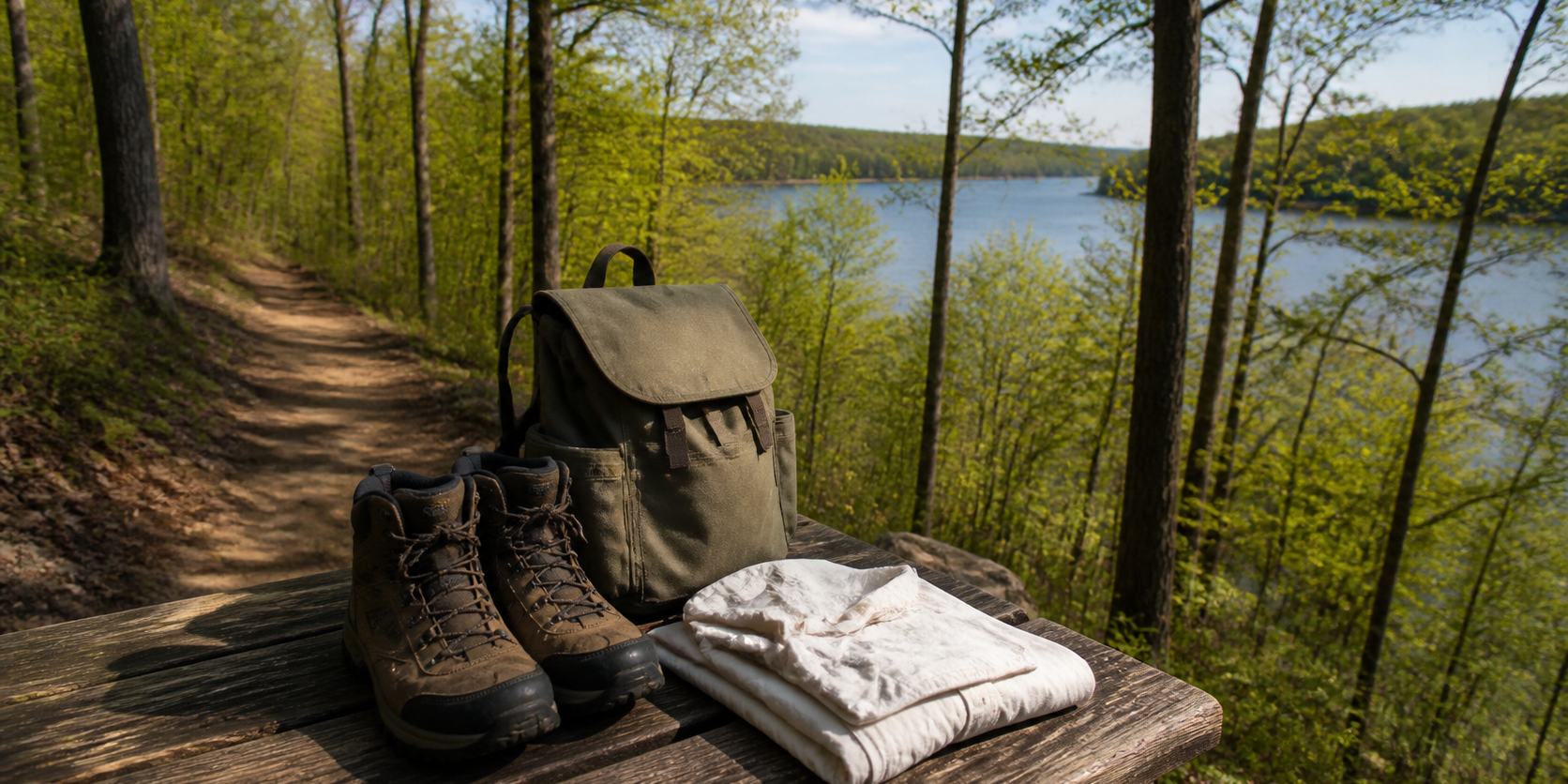
Dress for the activity and the conditions. Closed shoes, socks, and long pants can add a layer of protection when you expect to be in tall grass or brush. Light-colored clothing makes it easier to spot a tick before it has a chance to attach. Stay on the center of maintained trails when possible and avoid brushing through tall weeds or leaf litter unless the activity requires it.
Use insect protection according to its label and choose products appropriate for the people using them. The CDC’s tick-prevention guidance explains that reducing exposure is the first line of defense and provides details about registered repellents, treating clothing and gear, and checking for ticks after outdoor time. Follow product instructions, especially for children, and do not assume that “natural” automatically means suitable for every person or situation.
Make the return-home check automatic
The most useful habit happens after the hike, garden work, or yard time is over. Check clothing, pets, packs, and exposed skin before settling in. Put outdoor clothes through the dryer as recommended by current public-health guidance, and shower soon after coming inside when practical. A quick check is easier when it is part of the normal routine instead of something remembered only after someone notices an itch.
For children, make the check calm and matter-of-fact. Look at the scalp, behind ears, under arms, around the waist, behind knees, and other areas where ticks may be missed. Check pets as well; they can bring ticks inside even if they never had one attached for long. If you find a tick or are uncertain about next steps, use current guidance or contact a healthcare professional.
Keep prevention practical. The goal is not to avoid the outdoors; it is to make good habits automatic. Use current public-health guidance. For a compact readiness checklist, read Packing a simple natural first-aid kit for spring hikes.
- Stay on clear paths and avoid tall grass and brush when possible.
- Use clothing and repellents as directed for the activity and person.
- Check people, pets, clothing, and gear after time outdoors.
- Keep the yard trimmed and remove leaf litter near high-use areas.
- Seek professional advice when a bite, symptoms, or removal question needs it.
Keep the yard and porch area less inviting to ticks
You do not have to eliminate every natural edge around the property to reduce exposure. Keep grass mowed, clear leaf litter near walkways, and avoid stacking wood directly against the house where it can create habitat for small animals. Place outdoor seating, children’s play areas, and frequently used paths away from brushy edges when you have that choice. These small layout decisions can make a difference in the places people use most often.
Outdoor gear also benefits from a designated place to land. A simple hook rack, boot tray, or bench near the entry keeps packs and jackets from getting tossed across the house before they are checked. That kind of organization is part of practical outdoor living: it makes the safer choice the easy choice.
For Missouri-specific outdoor recreation and stewardship guidance, Missouri Department of Conservation is a useful source before making a final decision.
Keep the message balanced
Tick awareness is about preparation, not avoiding the outdoors. Missouri families can still garden, hike, fish, camp, and spend time in the woods. The important part is knowing that a check afterward belongs in the same category as washing muddy hands or putting away gear.
After time in brush or tall grass, a DEET-free outdoor bug repellent can be part of a broader outdoor kit, but it does not replace the prevention and tick-check habits described here. For health questions, symptoms, or concerns after a tick bite, rely on current medical and public-health guidance rather than a blog post.