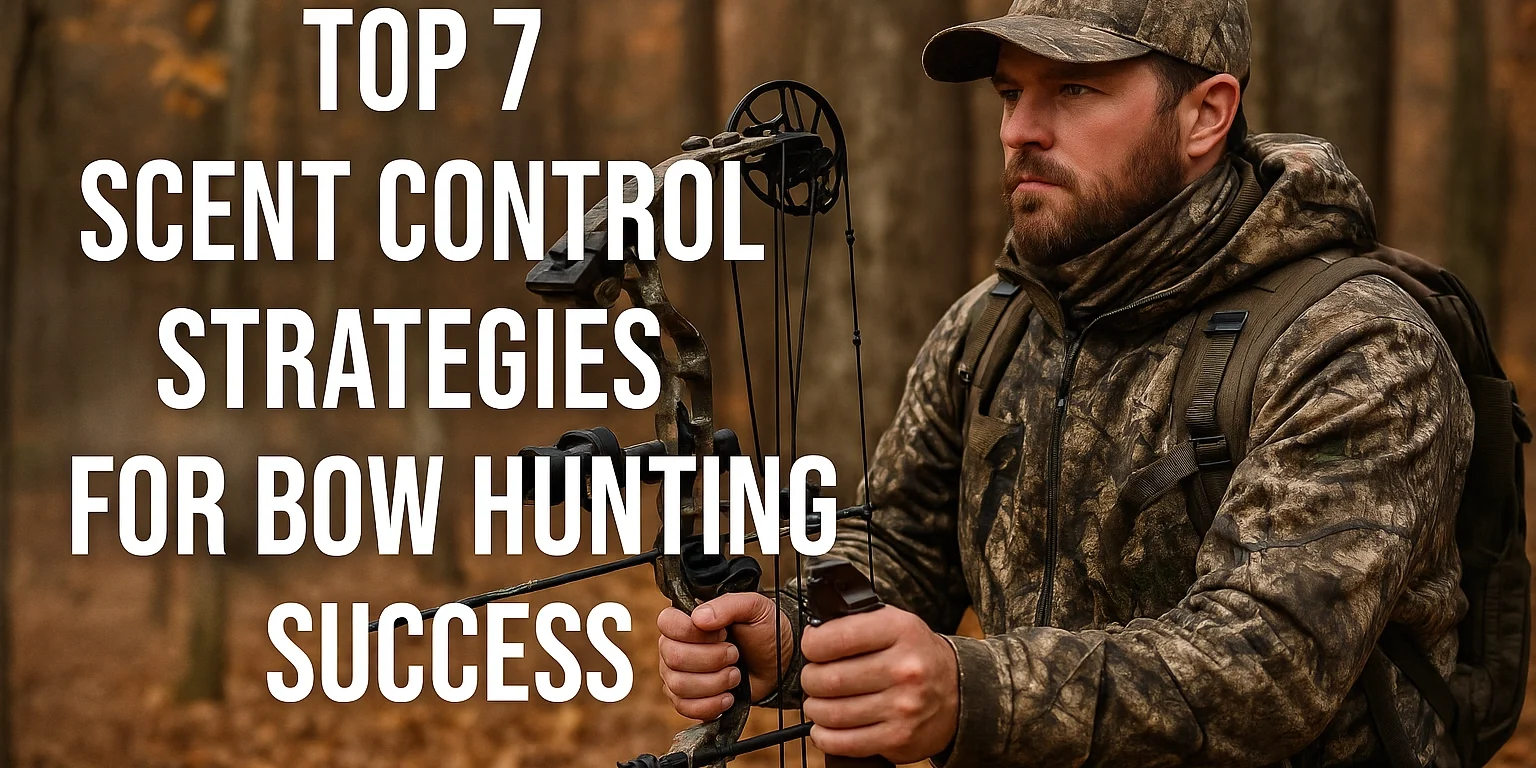
Bowhunting success is often decided before you ever see a rack. Mature whitetails live by their noses, and even great shot execution will not save a hunt if your scent control is sloppy. If you have mastered basic woodsmanship and stand placement, the next leap in consistency comes from a disciplined, system-based approach to human odor. This guide shows you how to build the best scent control for bow hunting, grounded in field-proven methods and practical science.
In the seven strategies that follow, you will learn how to structure a complete routine from shower to shot. We will cover scent-free hygiene and laundry protocols, airtight storage and transport, garment selection and layering, ozone and carbon-based tools, route planning that leverages wind and thermals, on-stand disciplines that keep you invisible, and smart contingencies for warm, wet, or variable conditions. Expect clear reasoning, actionable steps, and gear considerations for intermediate hunters who want measurable gains. By the end, you will know what to prioritize, what to skip, and how to stack tactics so your scent footprint stays controlled from the truck to the tree.
Advanced Washing Techniques for Scent Control
1. Use odorless detergents to clean hunting clothes
Choose a true scent-free, UV-brightener-free detergent and run cold-water cycles with an extra rinse. Fragranced detergents and brighteners fluoresce and broadcast human VOCs that whitetails detect at astonishingly low levels, as university scent studies show. Avoid fabric softeners and pods, which leave residue that holds odor. For an affordable, hunter-tested option, wash with a fragrance-free formula like Scent Killer Clothing Wash and select the HE setting if your washer requires it.
2. Incorporate baking soda to enhance scent elimination
Use baking soda as a neutralizer that targets acidic human odors embedded in fibers. For deep de-scenting, pre-soak garments in a five-gallon bucket with roughly half a box of baking soda for 12 to 24 hours, then rinse twice. During a standard wash, add about one cup to boost a scent-free detergent’s effectiveness and help buffer water pH. See practical ratios and soak times in this guide from Eating The Wild how to wash hunting clothes and keep scent free.
3. Air dry clothing outside to prevent odor buildup from dryers
Household dryers often carry perfume residues that transfer to clean fabric, even on “no heat.” Line-dry garments outdoors where airflow is steady and the sun can assist light disinfection, then finish in shade to avoid unnecessary UV brightening. Use clean, dedicated clips and lines stored away from garage and kitchen odors. If outdoor drying is impossible, run an empty dryer on hot to purge, insert a clean cotton towel washed scent-free, and use the lowest heat.
4. Use LOZ’s NO-SKI-TO® soap as a natural scent-control option
For a plant-based clean that aligns with natural scent strategies, wash with LOZ’s NO-SKI-TO® soap. Its essential-oil profile is built around woods and herbs like cedarwood and eucalyptus, then finished to rinse clean without synthetic perfumes. Keep the routine simple, cold water, minimal soap, gentle agitation, double rinse, and hang dry. The formula is friendly to merino wool, which is valued for inherent odor resistance, making it a practical fit for the best scent control for bow hunting.
Body Odor Management: Tips and Products
- Shower with unscented soap before each hunt. Deer detect extremely low concentrations of human VOCs, even in dry air, so starting clean matters. Take a focused 3 to 5 minute rinse with a true unscented body and hair wash, then over-rinse to remove residues. Scrub bacteria hot spots, armpits, groin, feet, scalp, and under nails. Dry with a clean towel kept in a sealed bin. For options, see this Bowhunter roundup of scent-control washes.
- Apply deodorant without fragrances or cover scents. Fragrance-free sticks suppress odor-causing bacteria without layering smells that deer key on. Apply lightly to clean, dry skin, and avoid wet gels that migrate into fabric. Reapply at the truck before a warm hike in, and store the stick in a sealed bag so it does not pick up garage odors. For fundamentals and product picks, see this Bowhunting.com guide to scent elimination.
- Wear moisture-wicking layers to reduce bacteria buildup. Sweat is not the odor, bacteria feeding on it are, so keep skin dry. Merino wool base layers around 150 to 200 gsm resist odor and regulate temperature, making them reliable on multi-day sits. Fast-drying synthetics also work if you vent early and avoid soaking them. Pack a spare base top in a dry bag and swap at the stand if you sweat on the hike; this base-layer strategy is core to the best scent control for bow hunting.
- Consider NO-SKI-TO wipes for quick scent refreshing on the go. When a shower is not possible, plant-based wipes remove the sweat film on neck, pits, knees, and feet, which slows odor. Our NO-SKI-TO wipes use cedarwood and eucalyptus that many hunters trust; let skin air for 60 seconds after wiping. Before climbing, mist NO-Sniff-U scent-control spray on your hat band, armpits over clothing, and harness straps to reduce trace smells. Use this combo before first light and after high-exertion tasks.
Utilizing Scent-Reducing Clothing
1) Choose clothing with integrated odor-control technology like Microban’s Freshology
If you want the best scent control for bow hunting built into your kit, start with textiles that actively neutralize odor compounds. Microban’s Freshology, launched in 2024, targets isovaleric acid, acetic acid, ammonia, and nonenal, and is finished into polyester, nylon, and spandex so odors are captured, then released in the wash to renew performance. It also improves moisture management and softness, which helps you stay dry and quiet. Look for base layers, socks, and gloves using this chemistry, and verify labels before buying. Huntworth’s pieces are a current example of garments leveraging Microban scent control effectively. See details at Microban’s Freshology announcement and Huntworth’s integration.
2) Layer with natural materials to complement scent reduction
Pair tech fabrics with merino wool mid layers to blunt odor at the source. Merino naturally resists bacterial growth and moderates microclimate humidity, which reduces the VOCs deer detect. Choose 150 to 200 gsm merino for active hikes and 250 to 320 gsm when sitting long in cold air. Keep a dry spare merino top in a sealed bag, then swap at the stand to avoid sweaty buildup. Use quiet cotton twill or canvas as an outer layer only when conditions are dry and you can manage moisture carefully.
3) Explore scent-absorbing gear, but understand its limitations
Activated carbon, treated carbon, zeolite, and polymer adsorbents can help when used correctly. In controlled tests, Carbon Alloy systems captured 96 to 99 percent of concentrated human odor, and polymer resins have shown higher adsorption versus single media. Field results hinge on sealing escape routes at cuffs, collar, and waist, and heat regenerating carbon for 40 minutes in a dryer per manufacturer guidance. Do not expect miracles in swirling winds; combine with strict access routes and stand placement. Learn more at Bowhunter’s science of scent control.
4) Consider natural fiber garments treated with cedarwood oil from LOZ
Natural fibers finished with plant oils can add quiet cover to a disciplined system. Cedarwood oil, long used outdoors, helps mask human scent and discourages insects, aligning with LOZ’s plant-based philosophy. Lightly mist merino or cotton outer layers with LOZ NO-Sniff-U, let them dry completely, then store with cedar chips in an airtight tote. Reapply after heavy exertion or rain, and spot test to avoid staining. Avoid saturating waterproof membranes, and keep application modest to maintain fabric breathability and noise discipline.
Strategically Using Natural Cover Scents
1) Collect pine needles and earth to create natural scent blends
Collect fresh pine needles and topsoil from the exact area you will hunt. Crush the needles to release resinous terpenes, then lightly rub them onto boots and outer layers. Bag a quart of local earth or duff and store clothing with it 24 to 48 hours before the hunt. Education resources endorse storing garments with natural materials to align scent, see Scents and Lures. Refresh the blend each trip, and keep it separate from household odors during travel.
2) Apply natural oils like cedarwood and eucalyptus with caution
For many, the best scent control for bow hunting includes essential oils used with restraint and proper dilution. Mix cedarwood at roughly 1 to 2 percent in water or unscented base, then mist boots, pant cuffs, and gloves. Eucalyptus carries a strong camphor note; deploy it only where that aroma exists naturally. Less is more, since whitetails can interpret unfamiliar VOCs at extremely low concentrations. Field test at camp by walking ten minutes, then checking for any sharp, nonlocal notes.
3) Engage in environments that match the cover scents used
Match your cover scent to the habitat you will physically contact during the sit. If you smell like pine, travel through conifer corridors, brush against boughs, and choose a set with nearby needles underfoot. Avoid mismatch traps, like apple or corn smells in woods that lack them, a common mistake highlighted by Scent Surroundings & Odor Killing. Pair scent matching with wind discipline and slightly elevated sets to reduce your ground-level plume. Consistency from approach to exit preserves the illusion.
4) Use LOZ’s cedarwood-based sprays for authenticity
Lock in authenticity with LOZ NO-Sniff-U, our cedarwood-forward, plant-based cover scent. Apply light mists on boots, pack straps, stand seats, and soft goods at the trailhead, then again after prolonged sits or sweat events. Pre-season, condition storage totes with a few cedar boughs, then mist garments to maintain a stable baseline. Do not oversaturate; a faint, local aroma outperforms heavy applications that create a single-note cloud. Combine this routine with clean transport bins and downwind approaches for compounding effect.
Environmental Factors Affecting Scent Control
- Monitor humidity levels as they affect scent dispersion. Moist air carries odor farther and keeps it suspended longer. When relative humidity tops about 70 percent, expect a wider, heavier scent cone in creek bottoms and thick timber, and learn how humidity impacts scent control strategy. Carry a pocket hygrometer or use a detailed app, hunt a bit higher, shorten sits, and refresh a plant-based neutralizer like LOZ NO-Sniff-U on cuffs and pack straps.
- Position hunting stands upwind to minimize scent detection. Start with the forecast, then confirm on site with milkweed or powder, because terrain creates eddies apps miss. Use wind and scent control basics to set crosswind or with your stream blowing away from expected travel, and abandon a sit when it shifts. Morning thermals usually rise and evenings fall, so pair those cycles with the prevailing wind.
- Recognize season changes that influence scent control needs. Early season heat and leaf-on cover trap humidity and amplify sweat odors; time entries for cool dawns, reduce exertion, and choose breathable layers. During the rut, bucks roam more, yet they still circle downwind of calls and decoys, so favor crosswinds and invisible exits. Late season brings colder, denser air that pushes scent along the ground; hunt slightly higher, protect liquids from freezing, and review early-season scent control tips when temperatures rebound.
- Plan scent-control strategies around current weather conditions. Light, steady winds of 5 to 15 mph are most manageable; dead calm or gusty 20-plus winds create unpredictable swirls. Ahead of fronts, rising winds and pressure changes can spark earlier movement, but deer still honor their noses, so pick sets with a clean downwind. Drizzle or wet snow can knock scent down and mask noise, yet wet foliage holds odor near trails, so refresh boots before entry for the best scent control for bow hunting.
Innovative Scent Blockers and Maskers
1) Scent Thief: disrupting threat recognition at the nose
Scent Thief’s patented formula targets the olfactory epithelium and temporarily relaxes it, which prevents game from processing odors as threats. In practice, that means whitetails that can detect extremely low-level human VOCs often fail to alarm because the “danger” signal never forms. The company’s formula was refined so working detection dogs would remain effective, a detail that underscores how potent the mechanism is. Use it when wind is variable or in tight cover where thermals swirl. Apply to outer layers, hat, pack straps, and boots, and reapply every 2 to 3 hours or after heavy perspiration.
2) Next-gen sprays and treatments that work with your system
Micro-coating sprays reinforced with nanosilver now inhibit up to 99.9 percent of odor-causing microbes on fabrics, which cuts the bacterial bloom that flares after a hike in. These particles bind to fibers and reactivate with moisture, so sweaty climbs do not immediately compromise your setup. Ozone generators remain effective for pre-hunt gear treatment, breaking down odor molecules in totes or closets; limit direct ozone exposure to rubber and elastic since it can accelerate degradation. Treat boots, harnesses, seat cushions, and pack belts the night before, then do a light field refresh at the truck. Always let treated gear dry completely to keep noise and shine down.
3) Natural versus synthetic: choose your lane, then stack
Natural maskers use plant compounds hunters and animals already “know,” like cedarwood, eucalyptus, and juniper; they blend you into the local terpene profile rather than shouting over it. Synthetic systems focus on neutralization and suppression, using activated carbon, zeolite, and antimicrobial chemistries to absorb odors before they leave your layers. Natural options are skin-friendly and field-adaptable, while synthetics often last longer under heavy exertion. A layered approach works best: merino next-to-skin for odor damping, a neutralizing mid-layer, then your chosen masker. Given debates over product efficacy and cost, lean on behavior and wind first, then let chemistry be a force multiplier.
4) LOZ NO-Sniff-U: a reliable, plant-based field solution
NO-Sniff-U is our quiet, practical answer for bowhunting environments that demand scent awareness without chemical baggage. It uses a balanced blend of cedarwood, lemon eucalyptus, and traditional herbal infusions to flatten human odor while adding a calm, woodland-forward cover scent. Mist boots, lower legs, cuffs, pack straps, and seat before entry; refresh after 3 to 4 hours or when humidity spikes above 70 percent. It dries clean, is gear-safe, and doubles for camp, totes, and food storage where scent discipline matters. Store cool and dark, handle with clean gloves, and pair with smart access routes to keep your scent cone controlled.
Crafting a Comprehensive Scent Control Plan
1) Combine washing, body care, and gear treatment for full effect
Start every hunt with clean inputs. Wash layers in true scent-free detergent, air-dry, then seal them in a hard tote with a handful of leaves from your hunting area. Shower with unscented soap, use aluminum-free deodorant, and dress at the trailhead to avoid household odors. Treat high-touch gear, bow grips, release, pack straps, climbing sticks, and seat cushions, with a neutralizing spray such as LOZ NO-Sniff-U. Choose merino base layers to slow odor buildup, a property well supported in field use.
2) Stay consistent with a multi-step approach to scent management
Consistency compounds results. Transport clothing in sealed containers, dress in the field, and keep a dedicated vehicle bin so work and food smells do not tag along. Hunt the wind every sit and use terrain to bend your scent cone. When humidity tops about 70 percent, expect longer scent carry, so place stands or blinds with that in mind. Elevation helps, and a light pass of cedarwood or juniper cover can blend signatures without creating new alarms.
3) Re-analyze and adjust techniques based on past experiences
Treat each sit as an experiment. If deer circle downwind and flag, note wind shifts, thermals, approach pace, and whether sweat spiked under your pack. Adjust by slowing entry, swapping to lighter merino or vented layers, moving 5 to 10 yards to use a crosswind, or raising stand height to push your plume above travel routes. In freezing weather, carry plant-based wipes or a small refillable atomizer that will not clog, since many water-heavy sprays can fail to atomize below 32 degrees.
4) Document successes and failures to refine future strategies
A written log accelerates gains and exposes waste. Track date, wind, humidity, temp, barometer, stand height, entry route, fabrics, products used, shower time, deer activity, and any downwind tests. After 10 to 12 hunts, patterns emerge, for example, more busts on variable winds or better tolerance when merino layers pair with strict wind discipline. Use the data to build a pre-hunt checklist, schedule gear treatments, and budget wisely, because the best scent control for bow hunting is disciplined repetition, not impulse buys.
Conclusion: Embrace Scent Control for Enhanced Hunting
- Treat scent control as a loop, not a checklist. Sweat, breath, and gear off-gassing rebuild odor as you move. When humidity climbs near 70 percent, your scent cone widens, so recheck and reapply at the truck and on stand. Elevation and tight blinds reduce plume size and exposure.
- Blend natural methods with modern tech for durable results. Local cedarwood, eucalyptus, or juniper profiles help you harmonize with the woods you hunt. Pair merino base layers with zeolite or Microban style fabrics, then finish with a plant-based neutralizer such as LOZ NO-Sniff-U on boots, cuffs, and pack straps. Refresh after climbs or sweaty hikes.
- Tailor strategy to terrain, access, and pressure. Morning thermals rise in hills, set above trails and enter from below; evening thermals sink in marsh, keep a crosswind near water edges. Ground blinds contain odor better than open trees, but long walk-ins demand wipes, spare base layers, and a slower pace. On a budget, prioritize hygiene, merino, airtight storage, and wind discipline.
- Aim for a scent-free presence that beats a whitetail’s nose. Deer detect low-level human VOCs even in dry conditions, so stack small advantages. Shower scent-free, glove up when handling cleaned clothes, plan routes that keep your cone off bedding and food, and treat touchpoints like bow grip, release, and seat. This disciplined repetition is the best scent control for bow hunting.