
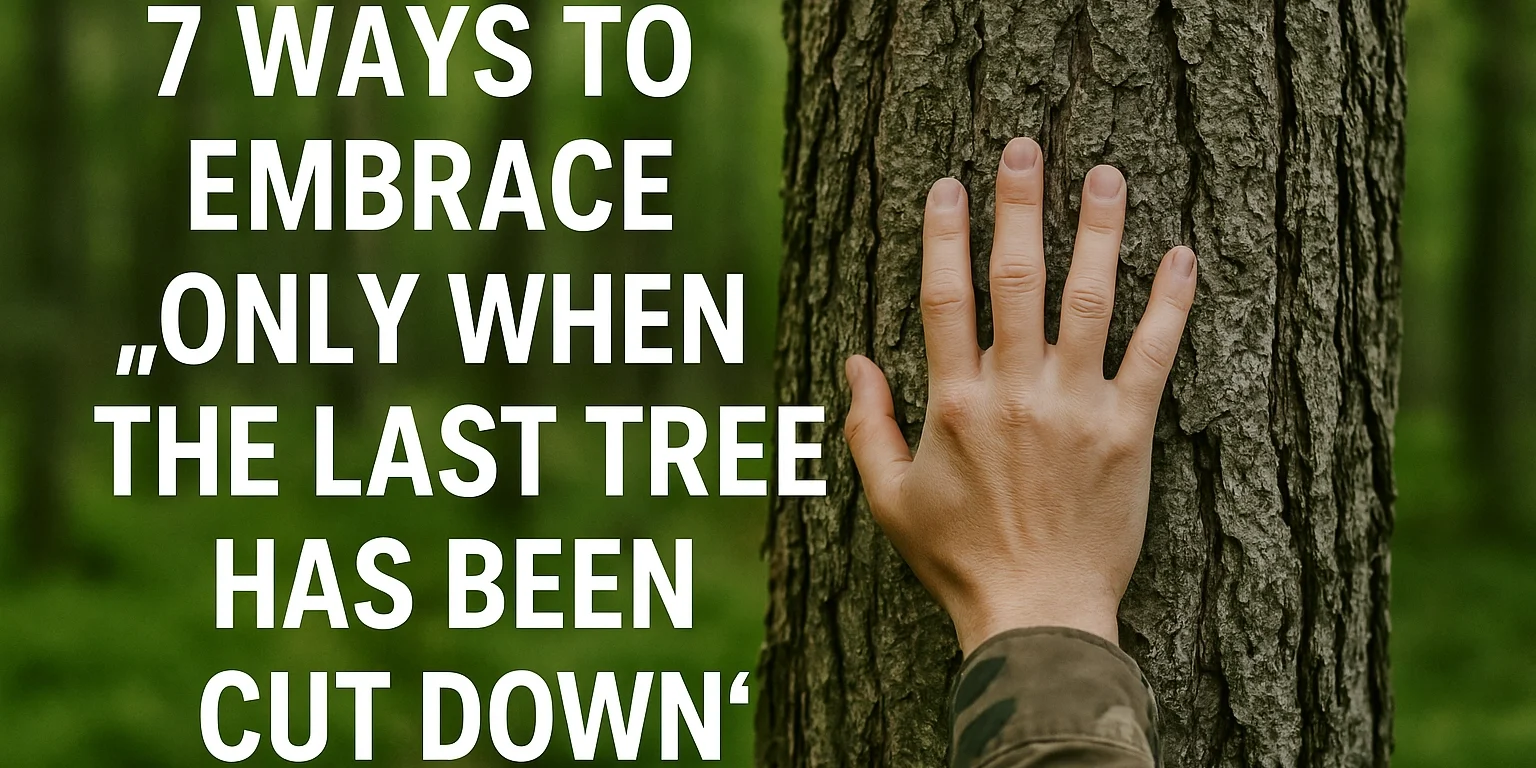
Ever stumble on a quote that stops you in your tracks? “Only when the last tree has been cut down” is one of those lines. It hits because it is simple, a little scary, and completely true. If you have seen it on a tote, a poster, or an only when the last tree has been cut down shirt, you know it sparks conversations. But how do you turn that feeling into everyday action without being an expert or going off the grid?
This beginner friendly listicle breaks it down into seven easy moves you can start today. You will learn small habits that actually stick, simple swaps that save money, ways to talk about the message without sounding preachy, and how to use your style to spread the word. We will keep it casual and doable, from your morning coffee to your social feeds to your next gift. By the end, you will have a starter kit for living the message behind the quote, one step at a time. Ready to make the idea real, and not just a slogan on a tee? Let’s jump in.
Understand the Quote’s Meaning
- The line on an only when the last tree has been cut down shirt echoes a quote widely linked to a Cree prophecy. It reminds us that air, water, soil, and fish keep us alive, money does not. The message spread through activism, including a 1981 Greenpeace banner documented here Greenpeace banner and environmental mythology. Beginner takeaway: notice your footprint and pick one habit to improve this week.
- It also warns about irreversibility. FAO estimates about 10 million hectares of forest were lost each year from 2015 to 2020, and roughly 34 percent of global fish stocks are overfished. Act now: plant native trees, choose durable gear, reduce single-use plastics, and join a local watershed cleanup.
- That mindset matches LOZ Woodworking, which favors natural living and practical design. We lean on plant-based formulas and efficient production, and we track improvements using practices highlighted in research on woodworking sustainability green growth indicators in woodworking. Choose minimalist, text-first apparel that sparks conversation, use NO-Ski-TO instead of harsh synthetics, and pick responsibly sourced or reclaimed wood for your next project. This keeps the message active in daily life, not just on a shirt.
Make Sustainable Choices
- Opt for eco-friendly products that prioritize renewable resources. Choose renewable materials like organic cotton, hemp, and recycled polyester. Repair gear, use refillable cleaners, and swap bulbs for efficient LEDs. Consider solar lanterns or a smart thermostat to cut energy use. For tips, skim this 2025 guide to sustainable choices. Look for GOTS, FSC, or bluesign labels when possible.
- Explore LOZ Woodworking’s natural insect repellent alternatives. Explore LOZ’s NO-Ski-TO sprays, balms, soaps, and wipes for natural protection. We use cedarwood, citronella, eucalyptus, lemon eucalyptus, lemongrass, and lavender. Pack spray for trails, balm for ankles, and wipes for quick cleanup. Patch test, reapply every few hours, and store cool for shelf life. Hunters can pair NO-Ski-TO with NO-Sniff-U scent-control for stealth.
- Adopt mindful consuming by supporting green brands. Support brands that disclose sourcing, use recycled packaging, and offer repairs or refills. Your spending is a vote, and visible signals spark action. Wearing an only when the last tree has been cut down shirt starts needed conversations. Similar posts draw 1.7K+ views and 190+ comments, which amplifies change. Buy less, buy better, and align purchases with your long-term goals outdoors.
Practice Mindful Consumption
1) Reduce waste by embracing a minimalist lifestyle
Minimalism means buying with intention, not deprivation. A 2023 study found 81.7% of minimalists believe using less cuts pollution, see this research. Fast fashion drives 60% more purchases than 20 years ago, many worn seven times, and 87% landfilled, see consumer waste data. Build a capsule around an only when the last tree has been cut down shirt and rotate layers.
2) Choose reusable or recyclable materials in daily use
Carry reusables daily, a bottle, mug, utensil set, and cloth bag. Swap plastic wrap for beeswax covers, choose rechargeable batteries, refillable sprays and soaps. Check recycling codes, prioritize 1, 2, and 5, and separate metals and glass. Set one labeled station at home and one in your garage.
3) Support local, sustainable and handcrafted products
Buy from local makers to cut shipping miles and support craft. Look for durable natural materials, traceable wood, and minimal packaging. Minimalist, text-forward designs are trending, see wardrobe minimalism trend statistics. Pick goods you can mend or refinish, a fit for LOZ’s earned-strength ethos.
Engage in Outdoor Stewardship
1) Join local conservation and tree-planting
Start with your parks department or watershed council. Volunteer for tree-planting, trail repair, or invasive pulls. The FAO estimates we still lose about 10 million forest hectares a year. Bring gloves and water, and log plantings in iNaturalist so you can return to water and check survival.
2) Build community awareness
Host a casual trailhead coffee or add a one-page guide to your school newsletter. The NRPA found 83 percent of U.S. adults support tree planting. Wear your only when the last tree has been cut down shirt to spark conversations. Offer one next step, like a monthly litter sweep or carpool to the trailhead.
3) Use gear made for responsible outdoor living
Pack LOZ NO-Ski-TO natural repellents with cedarwood and lemon eucalyptus, plus bar soap or wipes. Use NO-Sniff-U when scent discipline matters on hunts or in camp. Choose minimalist, durable apparel and repairable kits. The sustainable products market may hit about 150 billion dollars by 2025, so buy once and keep it in the field.
Educate Others
1) Share quotes that spark action
Open with the Cree prophecy. Pair an only when the last tree has been cut down shirt photo with a trail note. Posts like this drew 1.7K TikTok views. Link a source, like this Cree prophecy tee. End with one action.
2) Help friends try sustainable swaps
Keep it friendly and specific. Suggest swaps to test soon, repair gear, refill bottles, pick organic cotton or hemp, try plant-based repellents. Share why, forests shrink 10 million hectares each year. Point to UN Goal 15 report. Celebrate tries, not perfection.
3) Use forums to amplify conservation
Forums build momentum. Post one stat and a solution, then ask a question. Example, 112 U.S. bird species are at a tipping point, source Reuters. Suggest backyard natives or local cleanups. Keep threads calm, credit sources, circle back on results.
Embrace Eco-Friendly Apparel
- Look for clothing made from sustainable fabrics. Check the tag for organic cotton, hemp, recycled polyester, or Tencel. Organic cotton can use 91% less water than conventional cotton, and recycled polyester can cut carbon by 59%, see these sustainable apparel trends. Hemp grows fast with little water, and Tencel relies on closed-loop processing. Choose blends that include recycled content, then wash cold and line dry to lower impact.
- LOZ Woodworking offers apparel that echoes eco-conscious values. Our minimalist, text-based designs keep the message clear and durable for seasons of wear. If you reach for an only when the last tree has been cut down shirt, you are backing conservation with something you actually use. Pair it with plant-based NO-Ski-TO and our low-scent NO-Sniff-U to keep your kit practical and natural. Care matters, so spot clean, repair seams, and avoid high-heat dryers.
- Support brands integrating sustainability into design and production. Look for GOTS or GRS certification, FSC-sourced cellulosics, recycled content percentages, and plastic-free packaging. Ask about closed-loop dye houses, renewable power, and labor audits. Over 60% of shoppers now prioritize eco-friendly materials, so your purchase signals demand and drives better supply.
Plan Sustainable Adventures
- Prioritize low-impact travel to keep your footprint small. Choose trains or buses, then bike or walk the last mile. If you must fly, pick airlines investing in sustainable aviation fuel or offsets, and review these eco-friendly travel tips. Book stays with verifiable conservation work, for example The Lodge at Chaa Creek, and choose tours that follow Leave No Trace and cap group sizes.
- Create a personal sustainability checklist for your outings. Pack light, carry a reusable bottle, mug, and utensil kit, and bring a small trash-out bag. Add behavior rules, stay on marked trails, give wildlife space, keep noise down, and conserve water and power. Share it with your crew, posts using the Cree quote often pull 1.7K+ TikTok views, which helps normalize better habits.
- Utilize LOZ’s sustainable products to enhance your adventure responsibly. Use NO-Ski-TO plant-based sprays, balms, and soaps with cedarwood, lemon eucalyptus, and lavender to skip harsh synthetics. Treat layers and gear with NO-Sniff-U to manage scent around camp and hunting setups. Wear our only when the last tree has been cut down shirt as a quiet reminder to tread light, and refill travel bottles so you pack out exactly what you pack in.
Conclusion
The line hits because it asks us to act. In this guide you learned to ground the quote in its real meaning, build small daily habits that stick, make simple swaps that often save money, and talk about the message with respect while using your style and gifts to spread it. You now have a starter kit you can use from coffee time to your feed, practical steps that turn a slogan into a life.
Pick one action from the seven and do it today. Set a reminder for the next, then share your progress with a friend or your community. Tiny choices compound, and your example invites others in. The forest we want tomorrow starts with what you choose now. Begin, and let it grow.