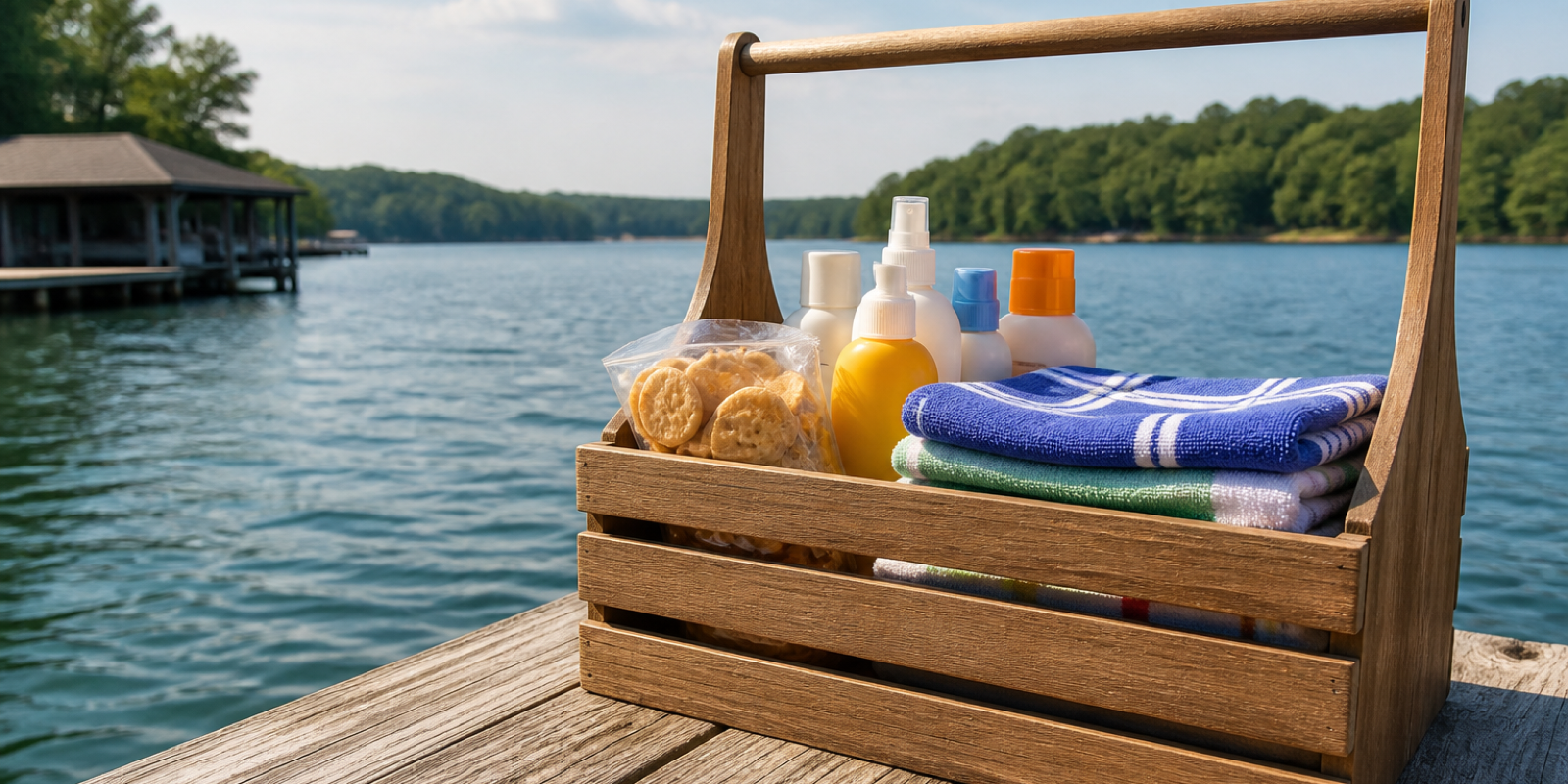
A simple wooden caddy for lake-day snacks and supplies
At Lake of the Ozarks, the best warm-season projects are the ones that fit an ordinary week—not a picture-perfect plan that becomes another chore. A simple wooden caddy for lake-day snacks and supplies works best when you start with the space, materials, and time you actually have. Missouri weather can shift quickly from a calm morning to a hot, windy afternoon, so a useful approach stays flexible and easy to maintain. The same build-it-for-use mindset carries into Making a durable cedar bird feeder for the backyard, where a simple design and durable materials keep the project useful.
Start with the conditions in front of you
Before buying supplies or making a cut, look at the location and routine that will support this project. Think about direct sun, afternoon heat, rain, storage, and how often you will realistically be nearby. The goal is not to add more gear; it is to make a lake-day supply caddy simpler and more dependable. A smaller setup that gets used is more valuable than a complicated one that sits unfinished.
Choose the practical version
Keep the first pass simple enough to learn from. Use sturdy materials, allow for cleanup and drainage where it matters, and leave room to adjust after a week or two of real use. Build for repeated use, not one perfect afternoon. That mindset makes summer work easier on a deck, in a backyard, at camp, or near the kitchen door.
- Keep the design shallow enough to fit under a vehicle seat or on a dock table.
- Use handles that do not pinch when the caddy is full.
- Separate dry supplies from anything that may leak.
- Sand every corner because wet hands make sharp edges more noticeable.
Make maintenance part of the design
Good outdoor living at the lake is usually a series of small resets: water before the heat builds, put tools back where they belong, dry wood and gear after use, and notice wear before it turns into a bigger repair. Pick one routine you can repeat without much thought. A project becomes useful when it makes the next task easier, whether that is harvesting dinner, packing for a day outside, or getting the porch ready for company.
Use what you learn
Watch how the space behaves through a normal week. You may find that an item needs more shade, a container needs a deeper soak, or a storage spot needs better airflow. Those observations are more valuable than adding unnecessary complexity. Make one adjustment at a time, then give it long enough to show whether it helped.
Plan for the ordinary trouble spots
Weather, use, and storage are usually what decide whether a simple project lasts. In the Ozarks, that can mean sudden rain, strong afternoon sun, humidity after a lake day, or a stretch of heat that changes what needs attention. Give yourself an easy way to clean up, dry materials, and check the project without starting over. Small preventive habits protect both the work and the time you put into it.
Keep the next adjustment small
There is no need to solve every possibility before you begin. Notice one friction point, make one useful change, and see how it performs through the week. That might mean moving a container, changing where a tool is stored, improving drainage, or simplifying what you pack. A repeatable routine is the real upgrade.
Use the season as feedback rather than a deadline. When something holds up well, keep that approach. When it does not, change the part that caused the problem instead of replacing everything. That is how practical outdoor living stays affordable, useful, and enjoyable year after year.
Before you call the project finished, give it one ordinary-use test. Carry the tote while it is loaded, cook with the tool, water the planter after a hot day, or pack the supplies for a real outing. That quick test reveals the details that a workbench or shopping list cannot: what is awkward, what is missing, and what is already doing its job well. Keep the useful parts, improve the rough edges, and save the lesson for the next build.
Put the idea to work
The practical choices in Easy vegetables to grow in containers through a summer offer a useful comparison when you adapt this approach to your own space.
When a durable, site-built setup would make the routine easier, the LOZ Woodworking shop is made for that kind of outdoor use.
Research from USDA Forest Products Laboratory adds useful background for the conditions described here, while Missouri Department of Conservation helps frame responsible everyday decisions.
Start small, keep the next step useful, and let the season show you what deserves more attention.