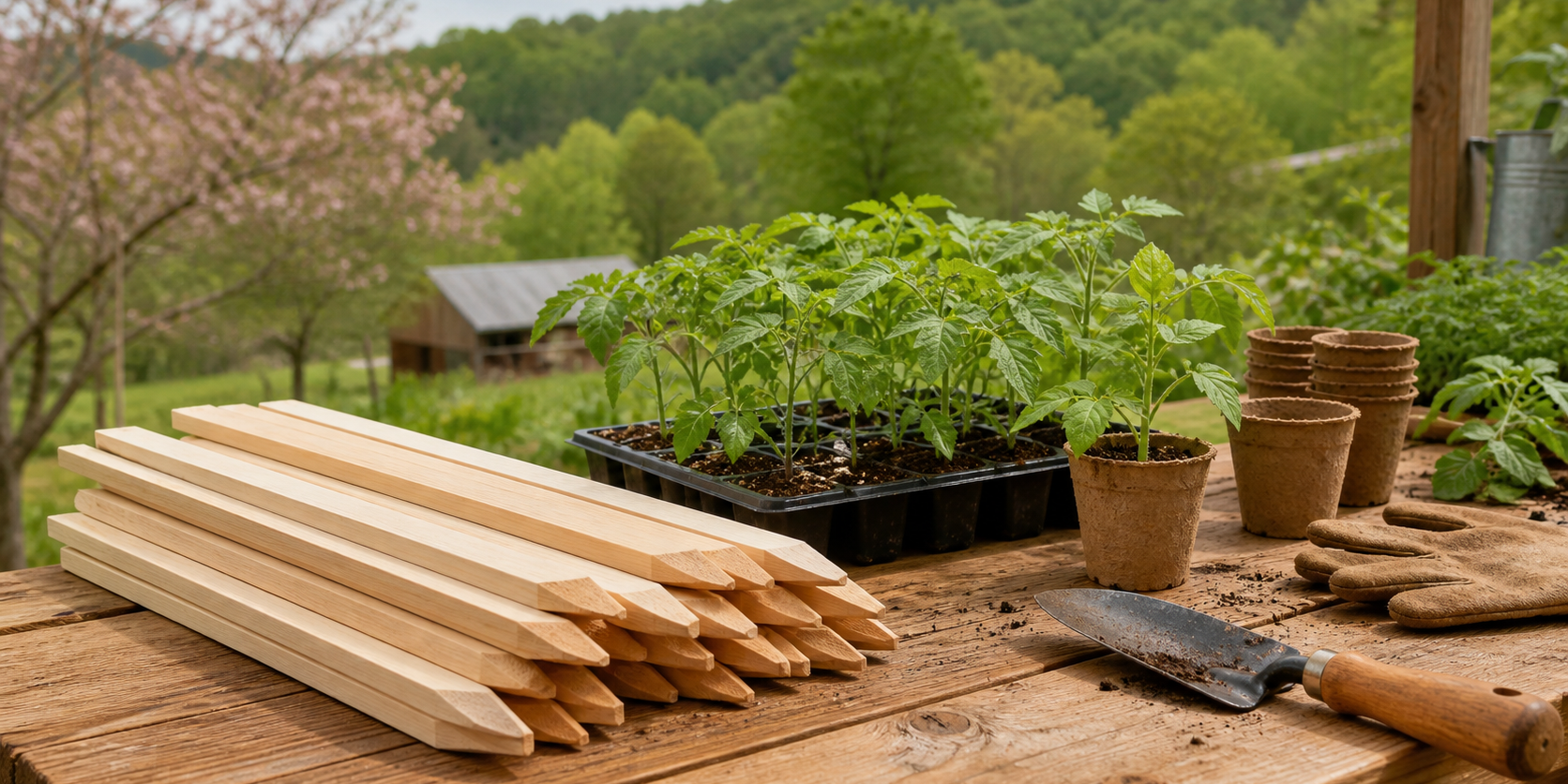
A Beginner DIY Guide to Wooden Garden Stakes
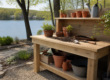
Wooden garden stakes are one of the simplest ways to make a container garden or raised bed easier to manage. They can mark rows, identify herbs, support young plants, and keep a small growing area from becoming a guessing game. They are also a good beginner woodworking project because they use short offcuts, basic tools, and straightforward cuts. The same build-it-for-use mindset carries into How to make a useful potting bench from basic lumber, where a simple design and durable materials keep the project useful.
The useful part is not making them look perfect. It is making stakes that are smooth enough to handle, strong enough for the season, and easy to read or recognize when plants start filling in. If you have a small pile of cedar, pine, or other untreated offcuts, garden stakes are a smart way to turn it into something practical instead of letting it collect dust in the shop.
Choose simple, untreated material
Make the labels easy to read later
Use clean, safe offcuts
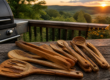
For edible gardens, use untreated wood. Cedar is a strong option because it holds up well outdoors, but plain unfinished pine can also work for a season or two if the stakes are kept out of constantly wet soil. Avoid painted, pressure-treated, or unknown reclaimed boards for labels that will sit near herbs and vegetables. Thin lath, cedar fence pickets, and clean offcuts can all be cut into useful markers.
A stake does not need to be wide. A strip one to two inches across and eight to twelve inches long is enough for most containers. Cut one end to a gentle point if it will go into the soil, then soften the edges with sandpaper so there are no splinters. If you want a more durable label, leave the top wider and keep the writing area above the soil line.
Use tools you already know how to handle
A handsaw, miter saw, or jigsaw can all make the cuts. Mark several pieces at once, clamp them securely, and keep fingers clear of the blade path. Sand the cut edges and remove any sharp corners before using the stakes in the garden. If you drill a small hole at the top, the same pieces can hang from hooks or be tied to a trellis instead of pushed into soil.
Use simple materials well. A clean offcut can become a marker that keeps the whole garden easier to manage. Make each small project serve the larger space. Another practical cedar project is Making a cedar garden trellis for peas and climbing flowers.
- Use clean, untreated wood for edible garden markers.
- Cut stakes long enough to stay visible above growing plants.
- Sand edges and points to prevent splinters.
- Keep labels above the soil line for longer life.
- Make a small batch at once so replacements are ready when needed.
Label in a way that survives the season
Permanent marker can work for a short season, but it may fade in full sun. Paint pens, wood-burning, stamped metal tags, or engraved labels can last longer depending on the look you want. Keep the lettering simple and large enough to read at a glance. The goal is to remember what was planted where, not to create tiny decorative signs that disappear behind foliage.
For containers, consider making the stakes taller than you think you need. Basil, peppers, tomatoes, and flowering plants quickly hide short labels. For seed starts, a small flat marker is enough. If you plant the same crops every year, store the stakes with your seed supplies at the end of the season so they are ready for spring.
For reliable wood-science information for outdoor projects, USDA Forest Products Laboratory is a useful source before making a final decision.
Make the garden easier to work in
Labels reduce wasted time. They remind you which herbs are ready to harvest, which seeds were planted recently, and where a climbing plant needs support. They also help when you are comparing varieties or trying to remember what thrived in a particular location. A quick note on the back of a stake can record the planting date, or you can keep a simple garden notebook indoors.
Small handmade details make an outdoor space more useful because they solve real problems. To see other finished pieces made for everyday spaces, browse the LOZ Woodworking shop. The University of Missouri Extension is another dependable resource for planning what and when to grow in Missouri.
Make a batch of stakes from wood you already have, keep them simple, and use them where they will make the garden easier to understand. It is a small project, but it is the kind of project that pays off every time you step outside to check the plants.